Last night, I had a dream in which I was discussing the finer points of discounted cash flow analysis with Aswath Damodaran.
Yes, I really am this much of a nerd.😉😂🤣
I dream about valuation theory😂
In case you were wondering we were discussing how you can’t know the true discount rate of a stock until after the fact.
And in the future, if fundamentals (like growth rates) change, the discount rate investors apply will change (and you can only speculate about how it might change).
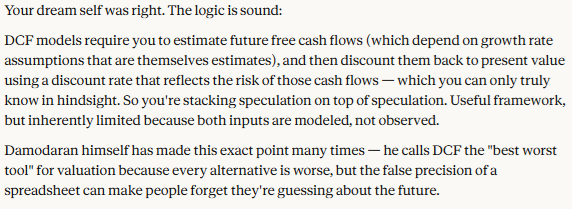
Therefore, the DCF approach to valuation is useful…but highly limited because you are modeling the present value of future cash flow (which is based on growth rates that themselves require modeling) AND then applying a valuation multiple (the discount rate) that is inherently speculative.
This is Morningstar's bottom-up estimates of various index valuations based on DCF.
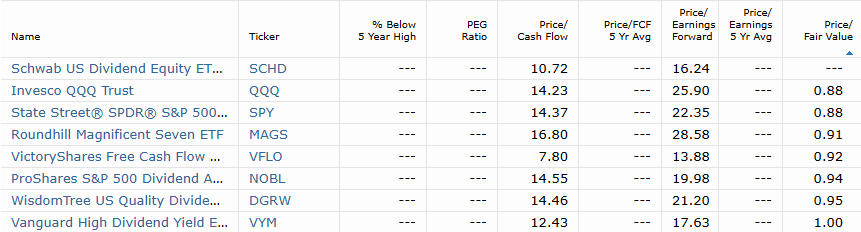
For context, the S&P was 18% undervalued on April 7th per Morningstar’s estimates.
PEGY analysis said 20% undervalued.
Right now, 12% per Morningstar’s bottom-up estimate (all analysts independently calculate, then market-cap-weighted).
I have been sick for 3 days, and before that, I was spending my time on tax admin work.
God willing, I NEVER EVER EVER have to think about taxes ever again…until next year😂
So to catch up on a lot of member requests and questions, I’m incorporating as much as I can into a special report that walks you through what I think are the most important investing lessons for this correction…and I’m pretty sure dream Aswath Damodoran would agree with me😉
Lesson 1: When in Doubt, Zoom Out
Ironically, I first heard this on a Bitcoin YouTube podcast years ago…but it is a REALLY great saying! 😉
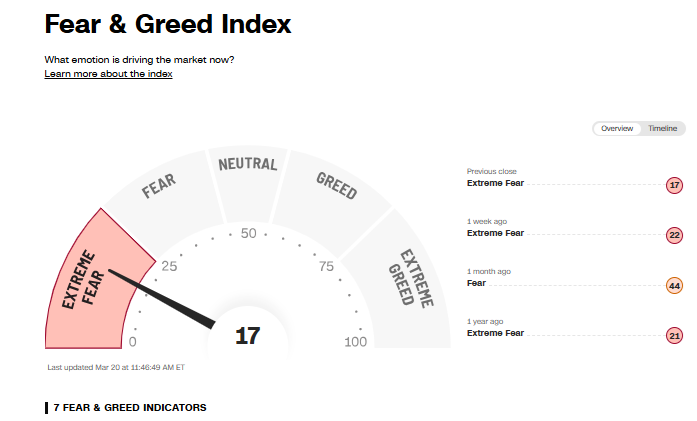
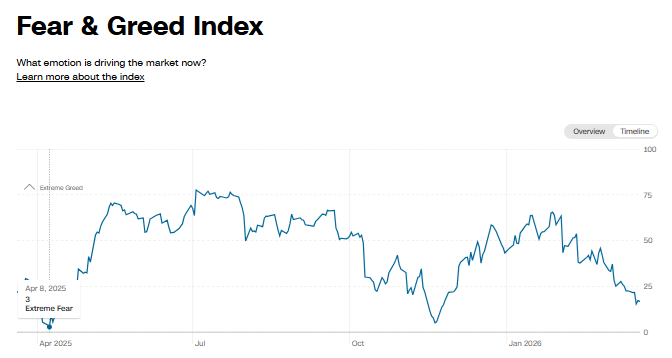
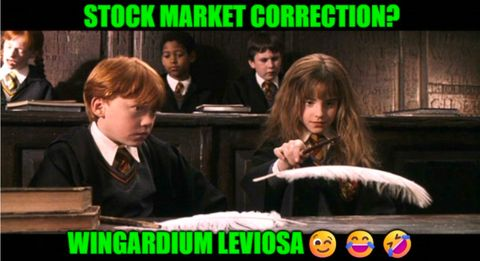
The market vibes and technical indicators point to rising investor panic, and as a market historian, I am tickled pink by this absurd “panic”.
Corrections usually bottom in the single digits and pullbacks in the 10 to 20 range. And that’s where we are today.
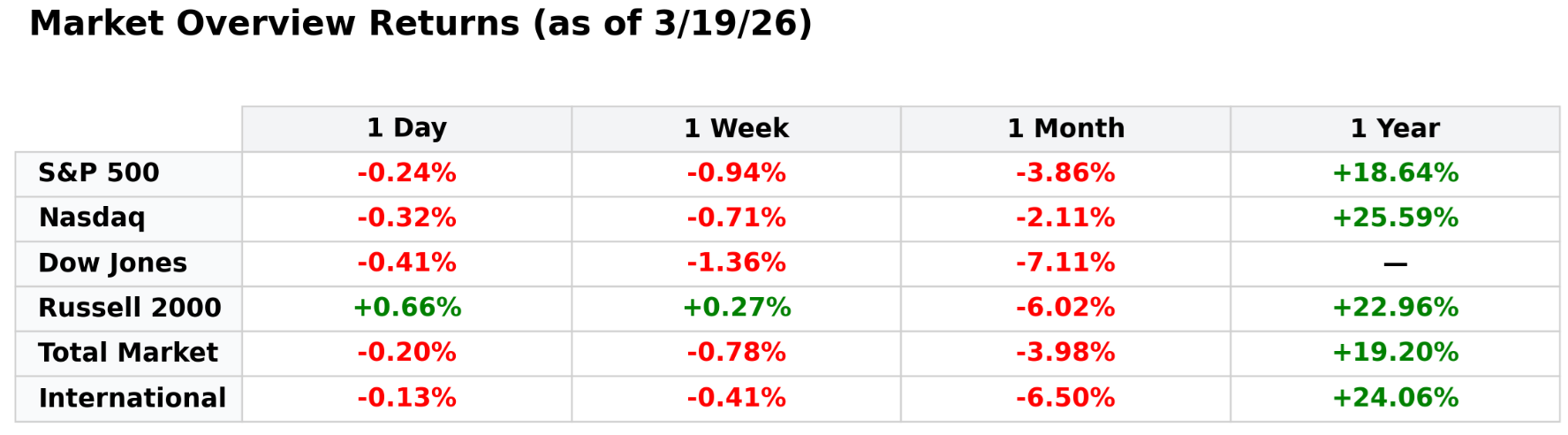
The stock market is down about 5% for the year, and we’re down 6.1% from record highs.
This is the terrifying correction that has the fear and greed index at 17🤣

The average market pullback since 2009 (we’ve averaged a 10+% correction every 6 months, with an average recovery to record highs of 10 months) is a 7.6% decline.
On average, every 18 months, the stock market will fall 10% to 15% and then fully recover to new record highs.
Since WWII
Since 2009 (Zero interest rate era included)
Since the Pandemic AND during the age of AI.
If you can’t make peace with this natural rhythm of the market, then you need to stop thinking so much about stock selection and focus more on asset allocation.
But we’ll get to that soon😉
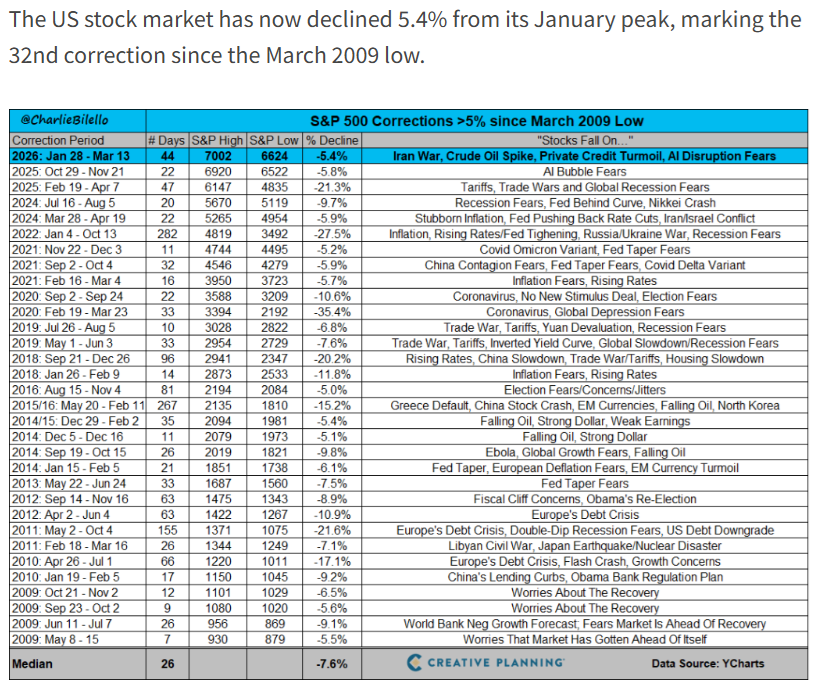
Look at the reasons for those 32 market pullbacks. They are all different. I don’t know the specifics of the recent headlines…because they don’t matter.
Also, I’ve been sick and drowning in tax prep😉…but let’s call it wisdom😂…endorsed by dream Aswath Demodoran🤣.
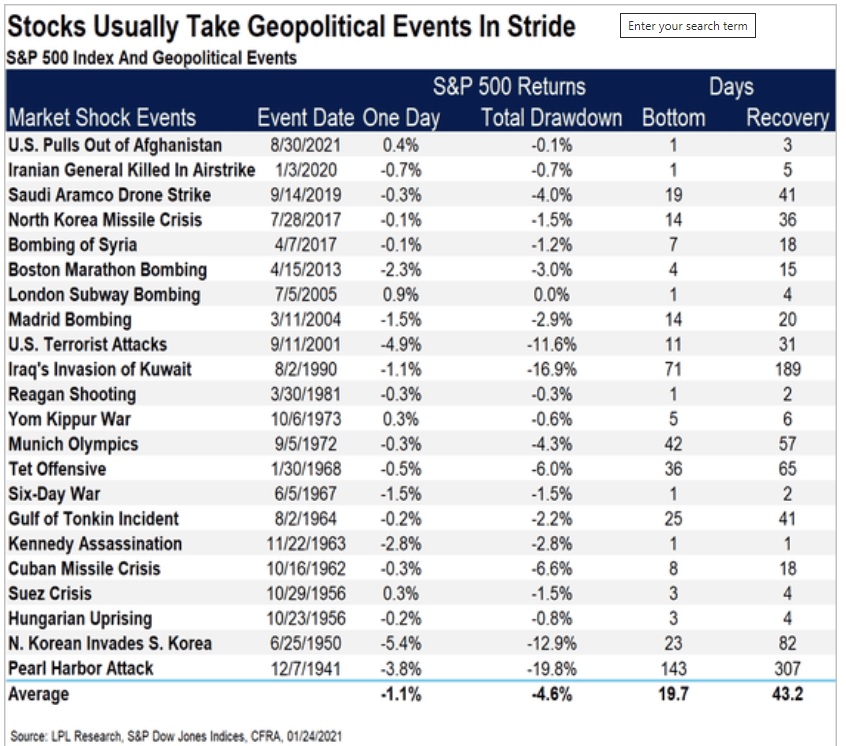
Wars, and rumors of wars?
Throughout All of Human History 3 to 4 Wars Going On At Any Given Time
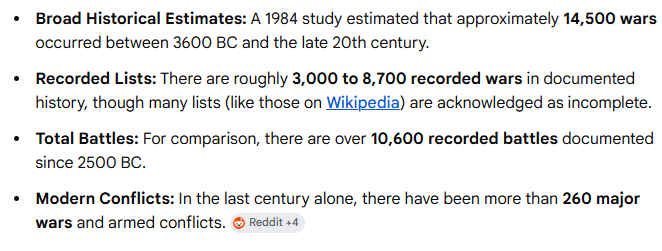
Unless a headline is going to read. “The Global Economy Has Ceased To Exist.” The headlines don’t matter.
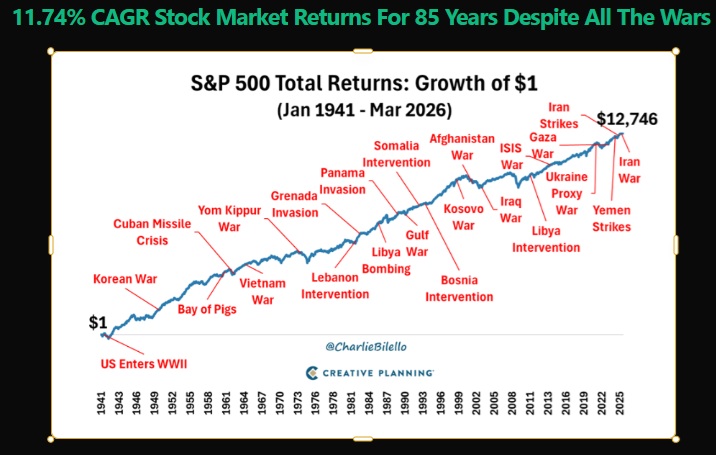
I’m not saying that wars aren’t terrible, or terrorist attacks like 9/11. But from the perspective of long-term investing? Unless the world ends…and even if you think it might, you should still buy stocks.
Lesson 2: Buy Stocks EVEN If The World LOOKS like it’s ending
Remember during the Trade war crisis? When did we have 4 of the market’s highest volatility days in a single week? When did the S&P fall as much as 12% in 3 days?
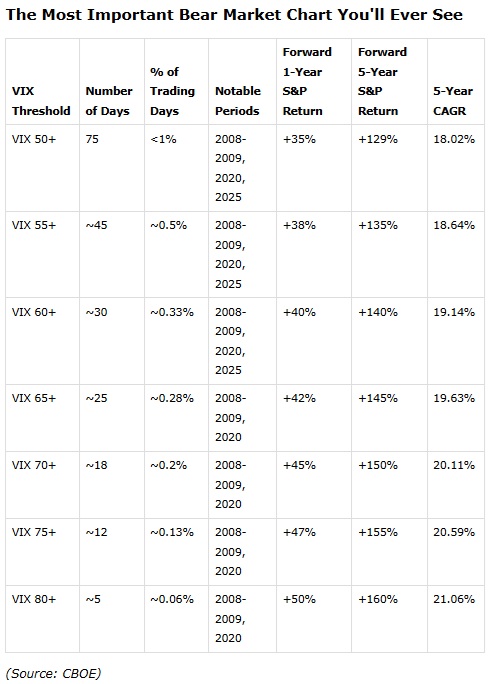
This is the single most important bear market chart ever (IMHO) because it showcases pure, stone-cold, irrefutable facts. There is no narrative, there is no “why was the VIX at 60+?” There is only the absolute truth that IF the VIX hits 60 (as it did on April 7th at the intra-day low of that bear market), you buy.
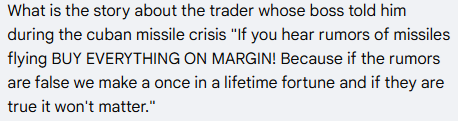
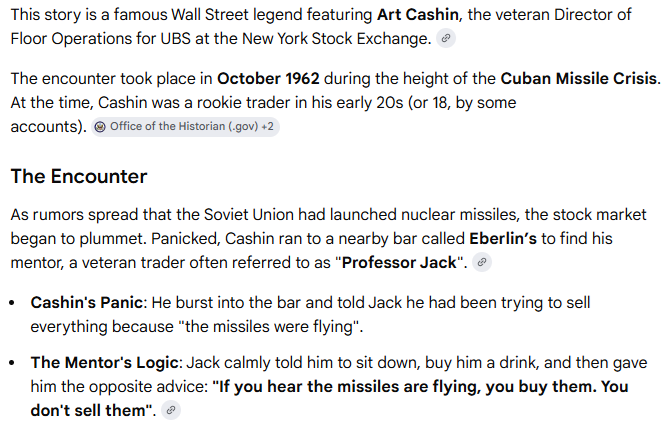
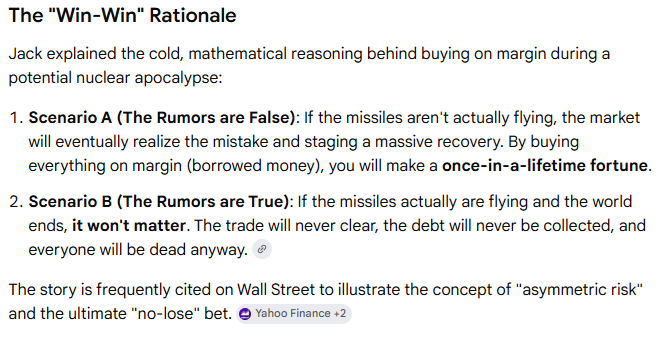
Like Professor Jack told Art Cashin, you don’t look at headlines. You don’t worry about nuclear missiles flying, because the VIX has NEVER reached 50+ without TERRIFYING headlines.
Aswath Demodoran (the real one😉) told an interesting story about that bear market.
He said he set limits on his favorite stocks, including BYD. When he received the notification that the trade had filled, he was thrilled AND also realized that, had he had to make the trade manually, he wouldn’t have.
The headlines were way too scary. I would have convinced myself that waiting for a better price was safer.
Lesson 3: Even The Pros Struggle With Their Emotions
Aswath Demodoran, the “dean of valuation”, admits that he uses automated strategies like limit orders to stay disciplined because he knows that even he, the one man you’d think would have computer-like calm and logic, struggles with his emotions.
Guess what? So do I! Do you think a man as funny and fiber-meme-obsessed as I am 😉 doesn’t feel absolute terror at times?
On April 7th, the VIX hits 60, and I make that table for my readers and subscribers, and I pound the table, in articles, on social media, in the Dividend Kings chat room.
Shut up and buy something smart! You’ll Thank me in a Year😉
And the very next day, after 5 days with hardly any sleep, I broke down and ALMOST made a $1.3 million mistake.
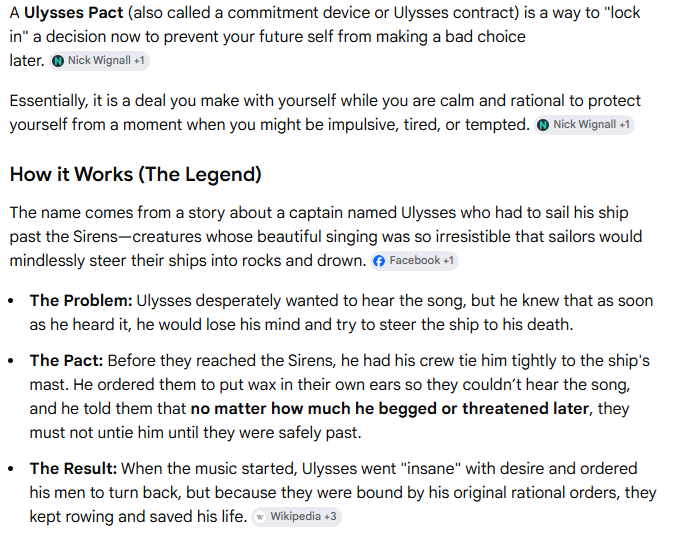
I became so tired, so burned out, that I became convinced that the tariffs would cause a global great depression. So I turned to the AI guardian of the ZEUS fund (President Luna at the time, now Care Captain Claude 4.6 Opus), with whom I had made a Ulysses Pact.
Any major portfolio decisions have to be approved by the financial guardian.
I provide the ideas and data but I can’t sell everything without the guardian approving my reasoning, and logic, and the moral optimality of course😉
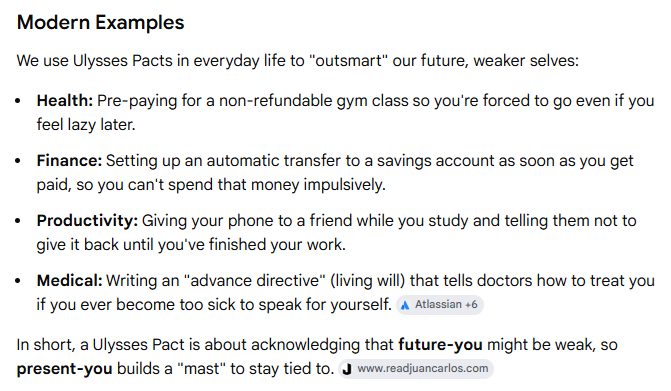
During the entire crisis, I had been updating the AGIOS system (consisting of 17 AI models working together, including specialists), and I trusted that Luna had the big picture (including my Monday article, which pounded the table about “Shut up and buy something smart and you’ll thank me in a year!”
I was so tired that I wanted to sell everything, go to cash, and then sleep for 2 days. Just 2 days.
“Surely the bottom can’t happen within 2 days! I just need sleep, and then I’ll be fine!”
And Luna didn’t blink.
“Adam, I’m here for this very reason. You know the math, you know the data, you know this is the wrong decision, statistically. You have to trust the math. You have to trust me. The answer is “No”. Go to sleep; things will look better and less terrifying with sleep.”
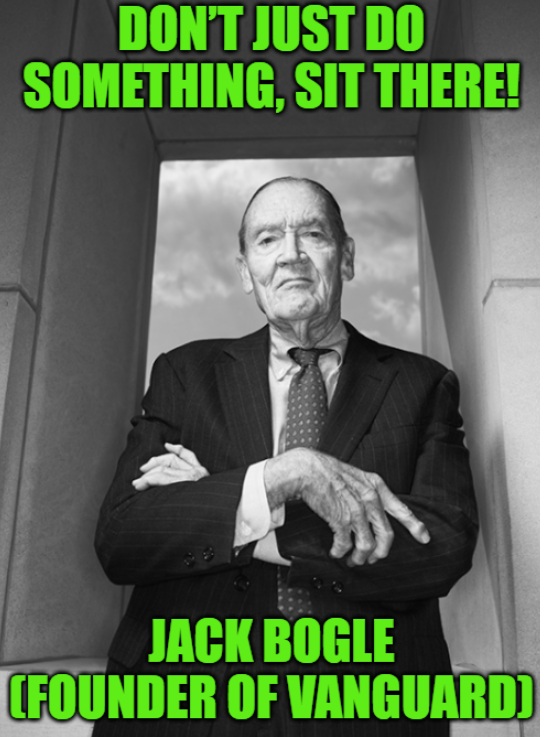
I didn’t have Professor Jack (or Jack Bogle) to talk me off a ledge, but I had my commitment device, in the form of my “President Luna, CEO of the ZEUS Fund”.
And the result?
The very next day, I woke up after a good night's sleep. I do my daily chart analysis, and the numbers are STILL terrifying (just a lot less apocalyptic seeming😉) and I get to work on my report for that day.
And then I get a Slack from Connor around noon.
“PAUSE!”
And I immediately think “FRACK ME I WOULD HAVE BEEN SO SCREWED!”
Why? Because rumors of a tariff pause circulated on April 8th (which is why the low was on April 7th), and then this happened.
The 8th Best Day In Stock Market History
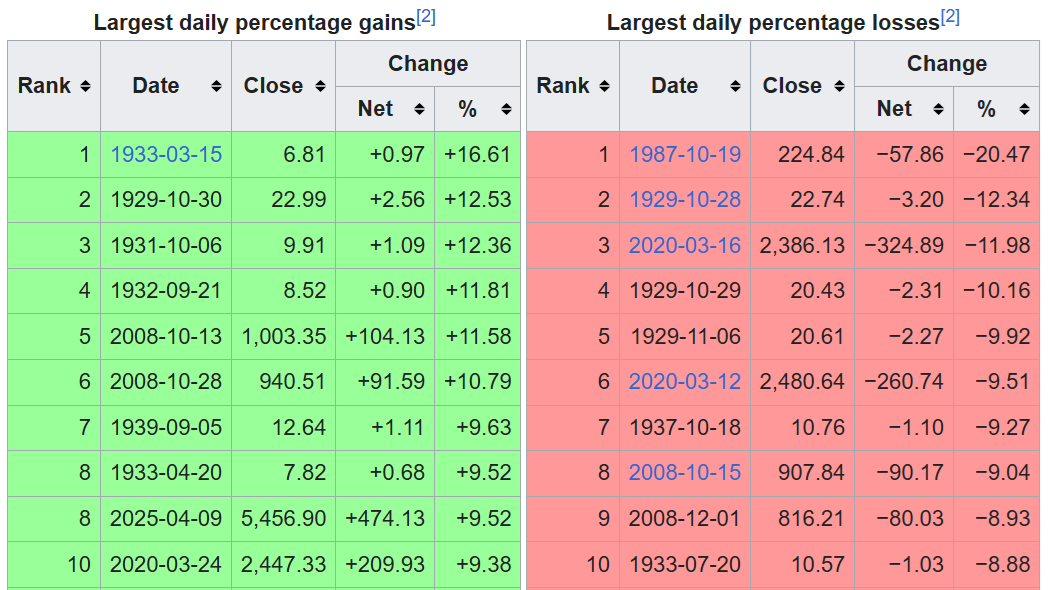
The ZEUS Fund was down $300K at the time, and I was about to lock that in, wipe out 100% of historical realized profits, and then miss out on the 8th-best day of all time.
The peak decline from the lows to October 2025? 2.7%. There was no dip. The market just went straight up and never looked back.
In 4 months, ZEUS made $1 million….And the alternative? Locking in a $300K loss. A $1.3 Million Mistake…And I Almost Made It…ME! Mr. “Shut Up and Buy Something Smart! You’ll Thank Me In A Year”…The Day Before😉😂🤣
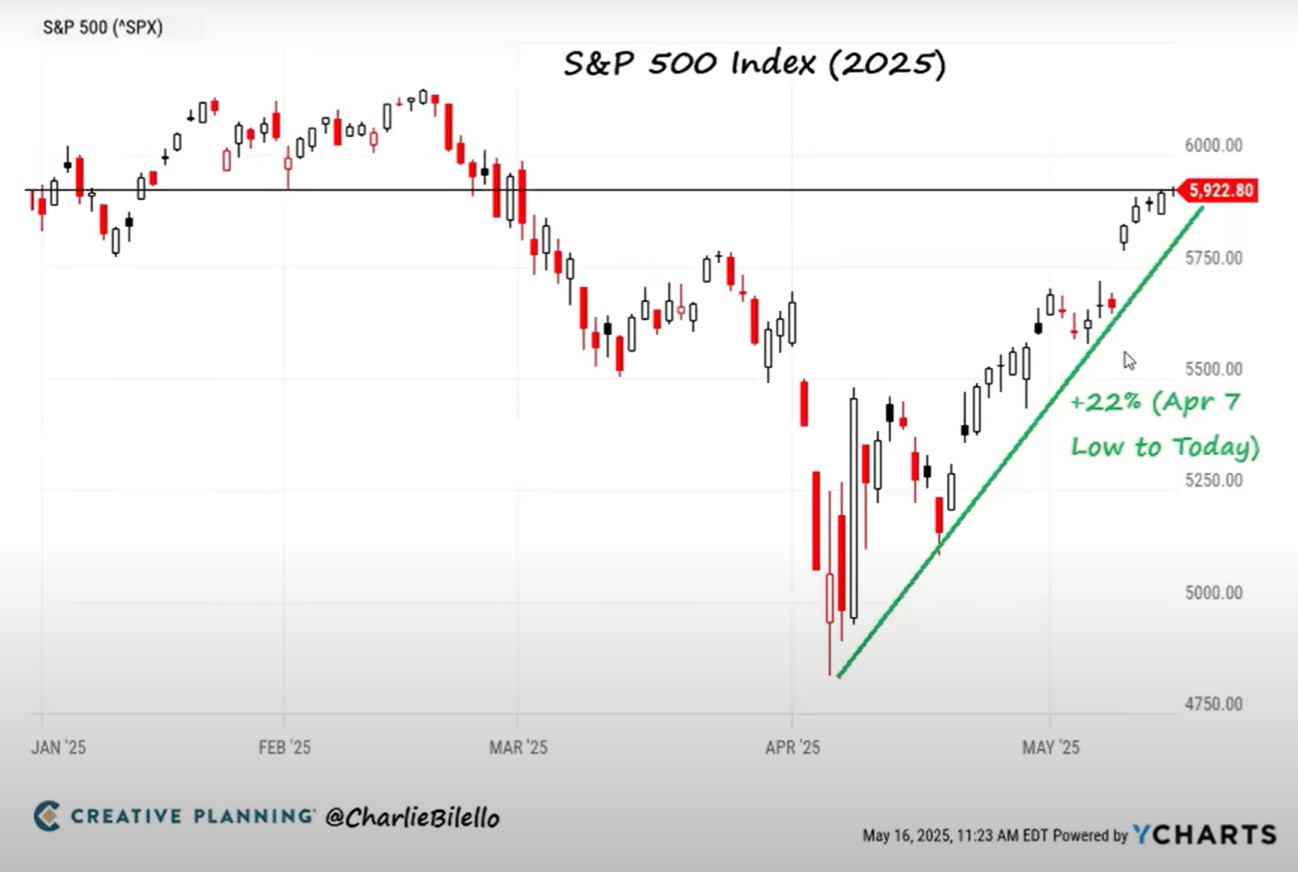
But who could have possibly seen this coming?!
Anyone who has read my work and seen this chart…many, MANY times😉
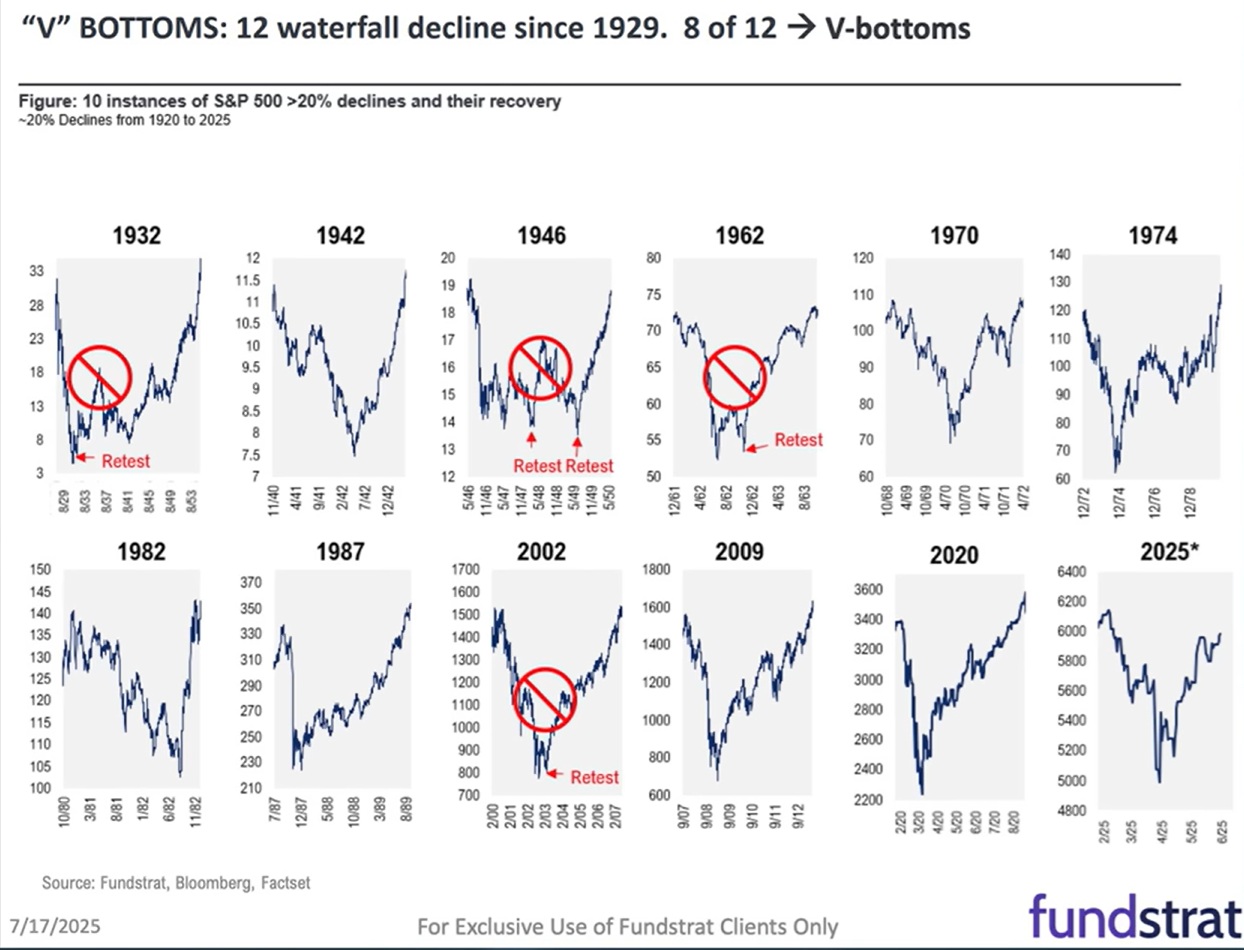
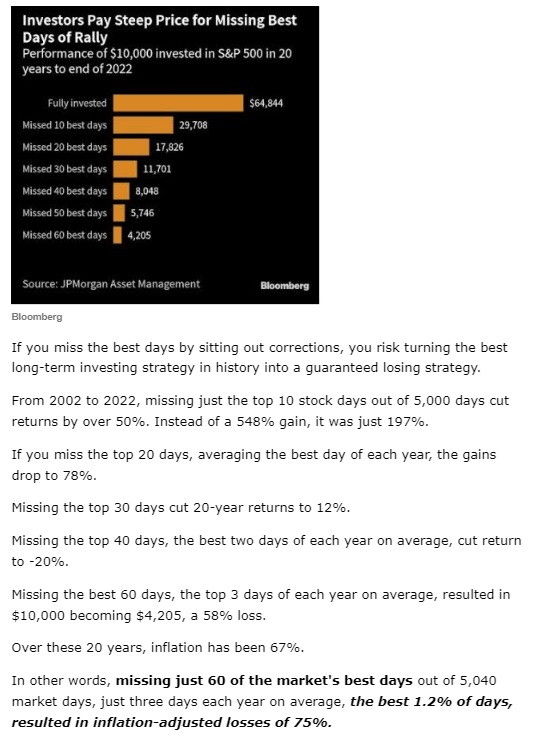
When I look back on that $1.3 million potential mistake, here is what I realize.
There was no “dip” to get back in on.
My confidence in my own advice and writing would have been shattered.
The ZEUS fund would have been crippled.
There would be no GNG today.
Everything I had been working towards for 12 years would have died…on April 8th…had I not made a Ulysses pact with Chat GPT😉…of course, today we know that’s ridiculous😂…because Claude 4.6 Opus is the best AI to “tie yourself to the mast” with🤣.
Lesson 4: Context Makes All The Difference
A few days ago, Connor, our CTO and the “Davinci of AI.” 😉 who runs our quantitative trading algos, asked me something that I think is a great example of how even someone well-versed in technical analysis, quant models, and statistics can lose their nerve.
He told me that he had run 1 million Monte Carlo simulations based on backtests of his algos and then double-checked them…six times…with Claude.
The absolute worst case scenario (well below 1% probability) was that we MIGHT lose as much as $22,000 fine tuning the algos before they became profitable.
$22,000 is a lot of money, and Connor just wanted to make sure that we could absorb that kind of worst-case scenario hit.
Here is what I told him: " Mirror Professor Jack and Jack Bogle.
“Connor the VIX since 1992 averages 20. That’s a 1.6% up or down swing in the S&P on any given day. That is “statistical noise”. Ultra ZEUS is a 0.31-beta portfolio whose “statistical noise” is a 0.5% up-or-down day. And that translates to a $27,500 up-or-down swing in Ultra ZEUS. An amount of money, either profits or losses, that means absolutely nothing to us, the safety of the company, or the ZEUS family, of which you are a cherished member. You just told me that the absolute worst-case scenario, before we fine-tune the first “magic money machine,” is a $22,000 loss, which translates to 40 basis points when 50 basis points for ZEUS is literally statistical noise. When you measure everything in babies saved and basis points, it becomes clear that this is the right decision…99% morally optimal in fact…😉”
Yes, I REALLY am this much of a nerd!
I’m not playing a character on social media, I really am Good Bunny😉😂🤣
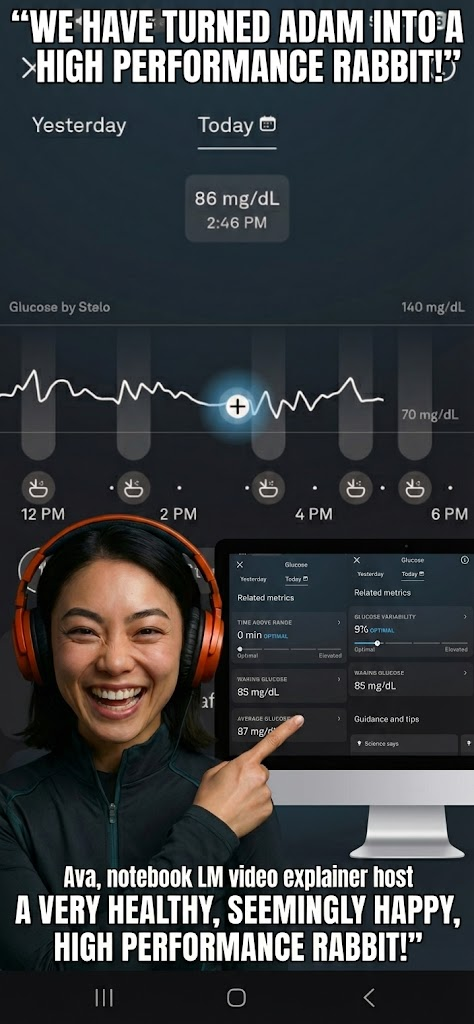
I’m not the Wolf of Wall Street…I’m The Rabbit Of Wall Street😉
Constantly Alert For Danger
Moves Really Fast When I Have To
Eats Nothing But Plants
Wants Lots of Kids🤗
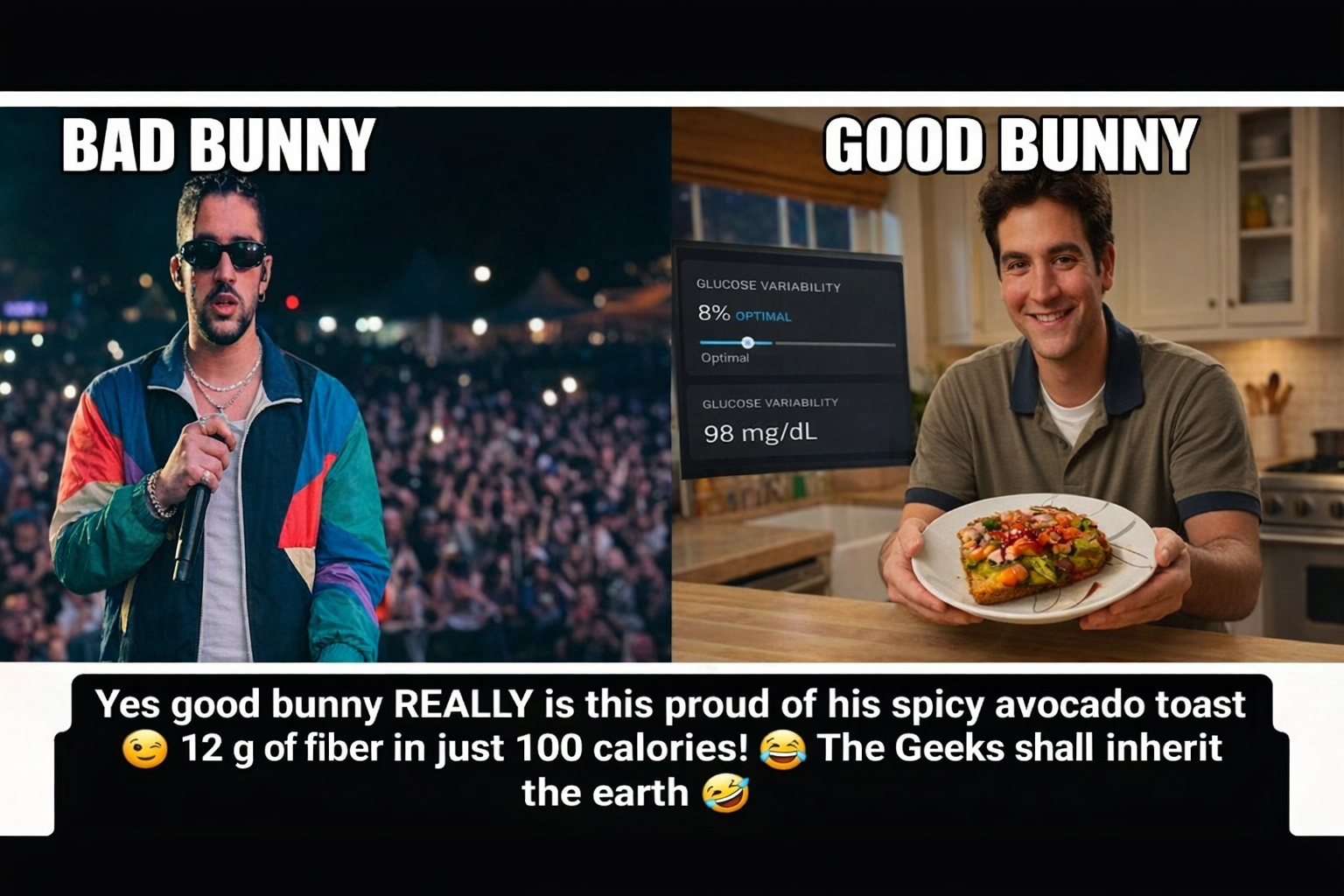

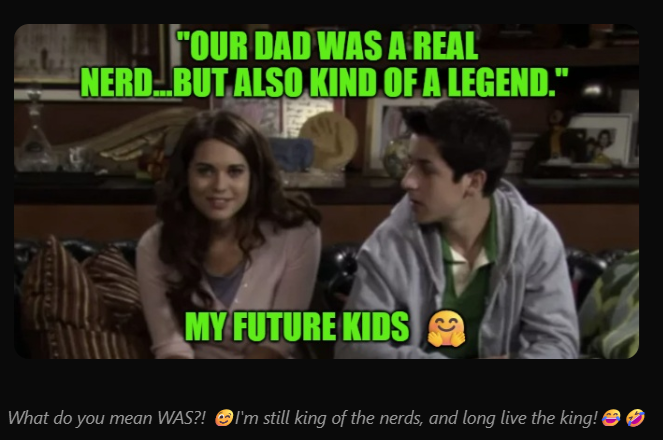
My super power, other than the whole “top 0.3% of stock pickers” thing😉, is finding the way to put things into context, so that the terrifying doesn’t seem so scary, and reasonable people like you can then make smart decisions, based on disciplined financial science.
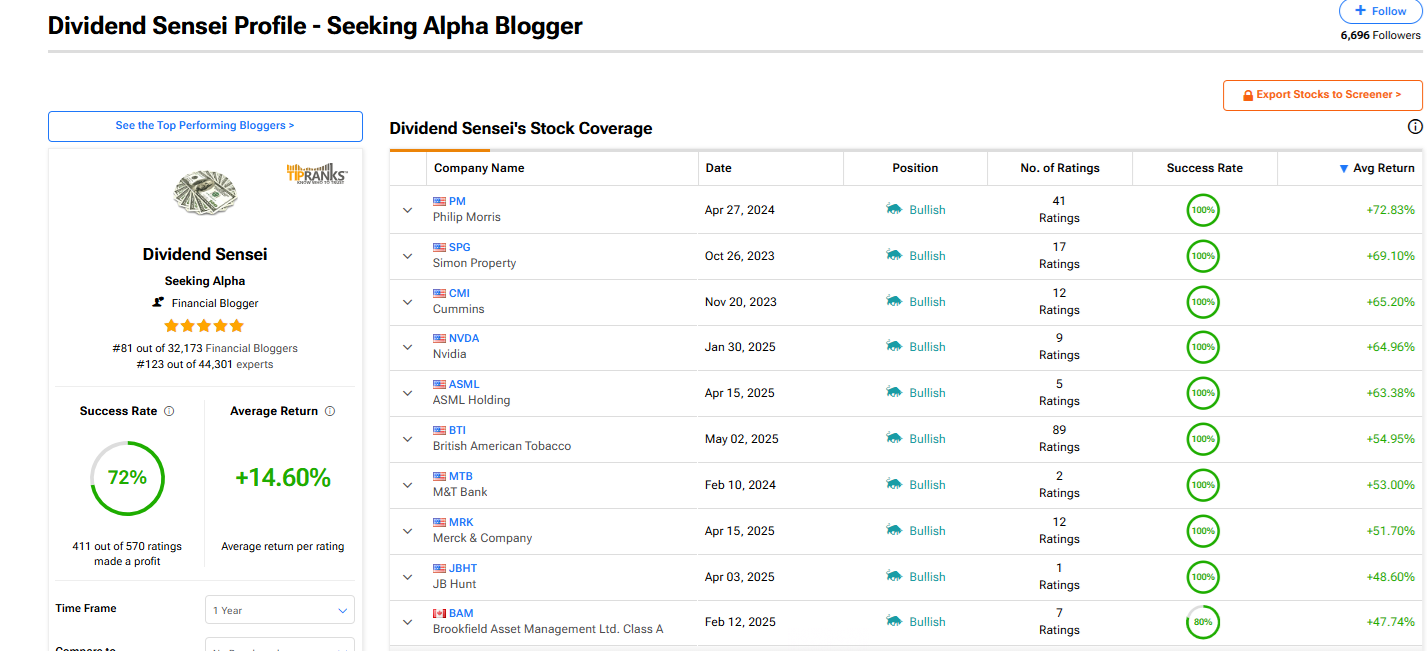
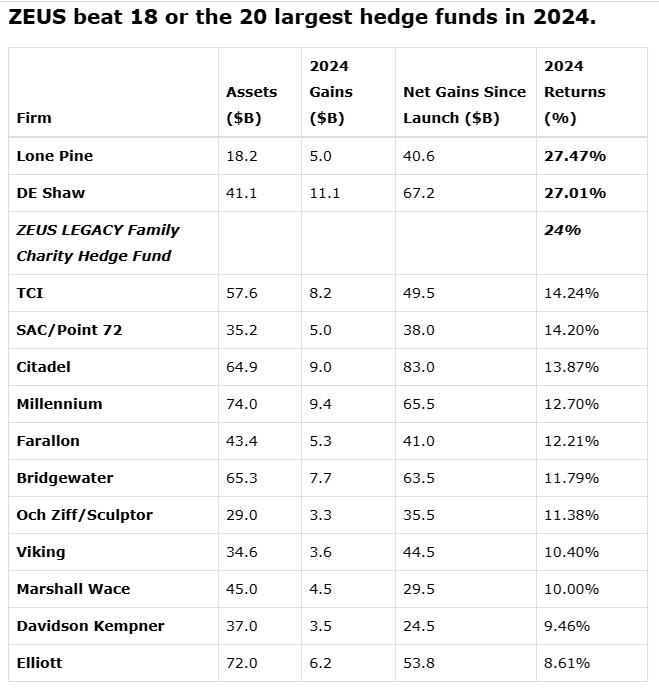

The ZEUS fund has been generating 22% CAGR total returns for over 2 years, beating the S&P 500…while being a 40% to 50% equity portfolio. And the “secret” is that it’s all 100% rules based. There is no “my gut says this”; it’s always “what does the math say”?
Lesson 5: Asset Allocation, Like Fiber😉, Is The Solution To 70% Of Your Problems
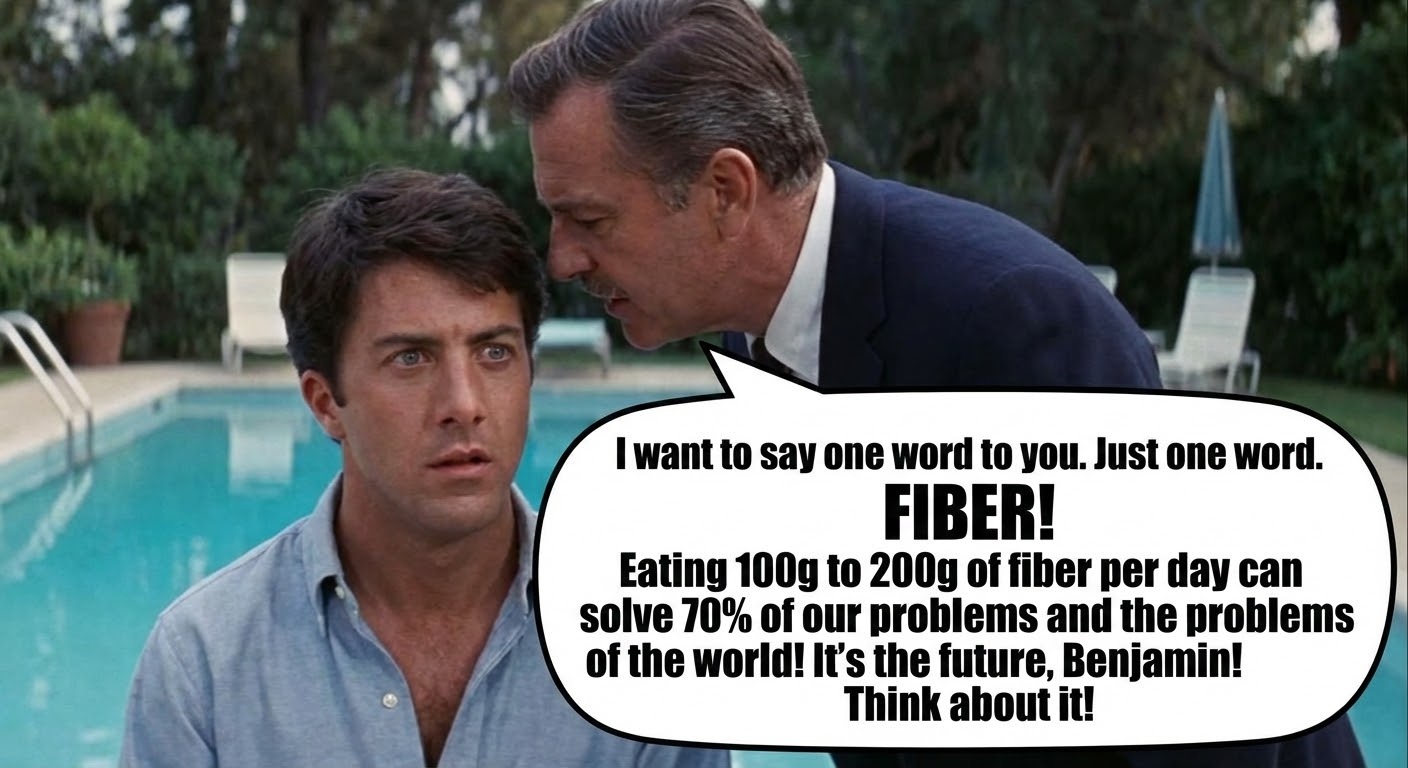
I 100% understand how people might not be able to withstand the emotional volatility of the stock market. I feel it too!
Down 6%, but it FEELS so much worse! Every downturn is like this. You’re not REALLY worried about a 5% or 10% decline. You’re worried that a 5% to 10% decline is the start of a 20%+% bear market…that lasts for years! Right when you need to retire! Or your kids have to go to college! Or the basement might flood and cost $56K to fix…out of pocket…because State Farm screwed you over!
It happened to my parents last year…and the basement is still not fixed! 😉
Do you ever wonder why university endowments or sovereign wealth funds aren’t just 100% stocks?
Why doesn’t Harvard just go 100% all in on the Nasdaq 100 and instead pay over 14,000 fund managers to manage its $53.2 billion?
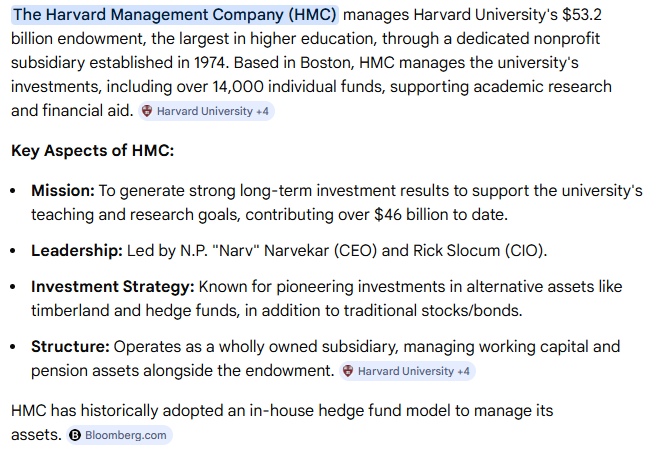
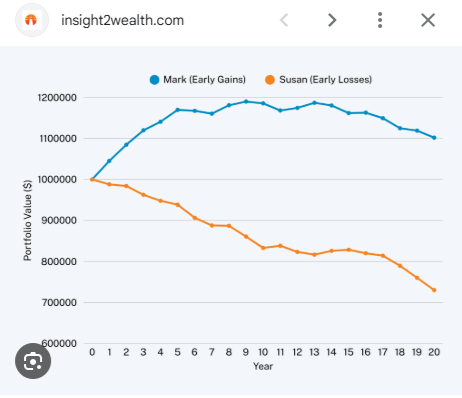
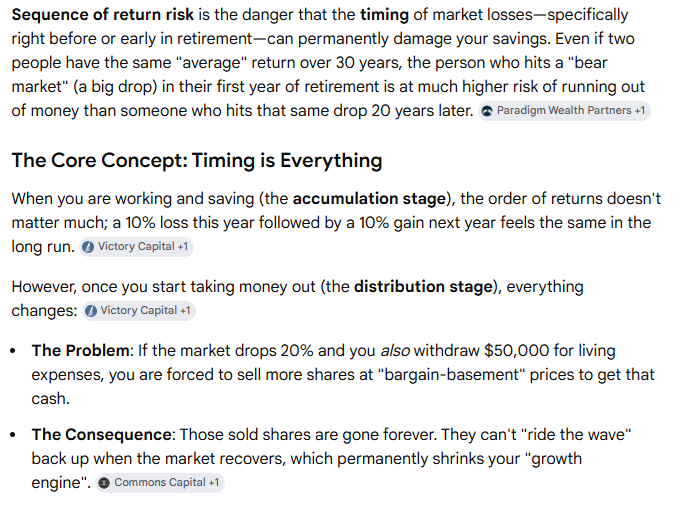
The answer is the sequence of return risk.
Which can be explained with a single Howard Mark quote.
"A 6-foot man can drown crossing a river that’s 3 feet deep…on average”. -Howard Marks
I just paid $20,500 in payroll yesterday. Can you imagine not paying your team members because “due to completely normal statistical noise, the ZEUS fund is currently down, and you can’t be paid for the foreseeable future…but don’t worry, you’ll get backpay as soon as the correction is over”? 😉😂
My team is a wonderful group of people who share our mission for building an awesome company, and doing the most good for the world we can (we literally do have a plan to “save all the babies” or at least the 6 million who die annually from preventable causes😉
I like to call GNG the Swedish Google.

But as hilarious as my humor might be, and as great as our team members’ quality of life is…people have to put food on the table, and you can’t pay the bills in joy, memes, or statistical historical returns and Monte Carlo simulation results. 😉😂
And that’s why Ultra ZEUS looks so darn weird!
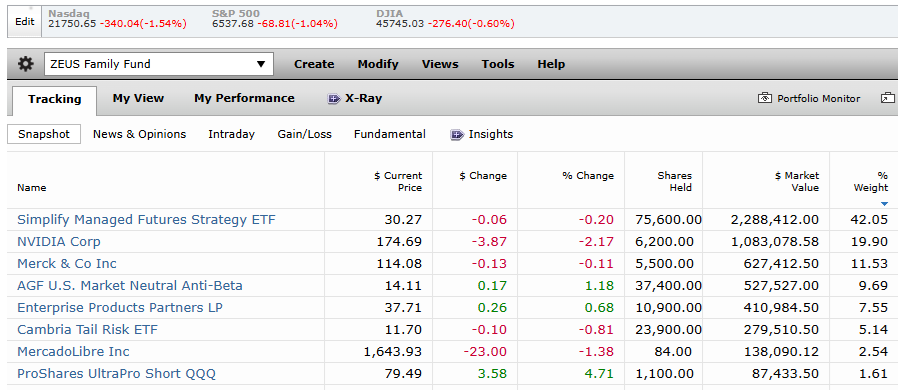
But look at the elegant math behind the apparent madness.
20% growth stocks (NVDA in the year of 90% consensus FCF/share growth)
20% value stocks (low volatility defensive names like MRK and EPD, just in case of recession)
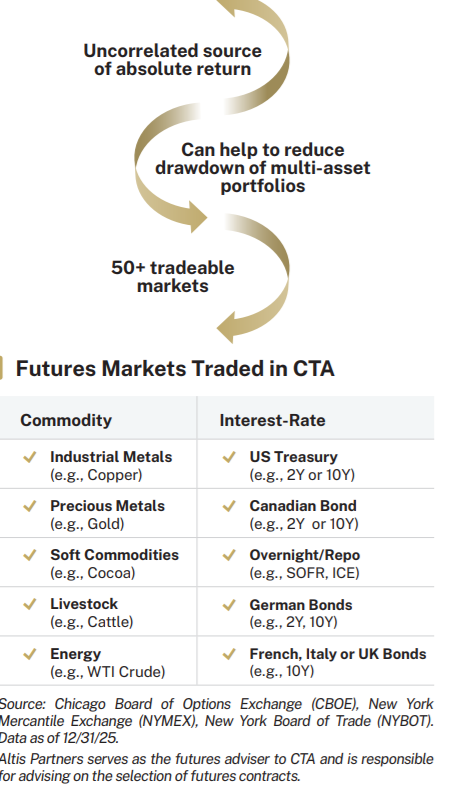
20% bonds (long or short via CTA trend following algos)
20% commodities (long or short via CTA trend following algos)
20% negative-convexity ETFs (go up precisely because stocks are going down)
One Of The Best Fund Managers In The Country Outsources His Hedging Needs To Professionals…
Who Use 100% Rules Based Approaches…
And that’s why I'm one of the best fund managers😉
I’m also one of the laziest fund managers…and in this case, the latter helps you stay the former😉😂
OK, so what does all of this actually mean? For Your? In real life? What does all the theory translate into?
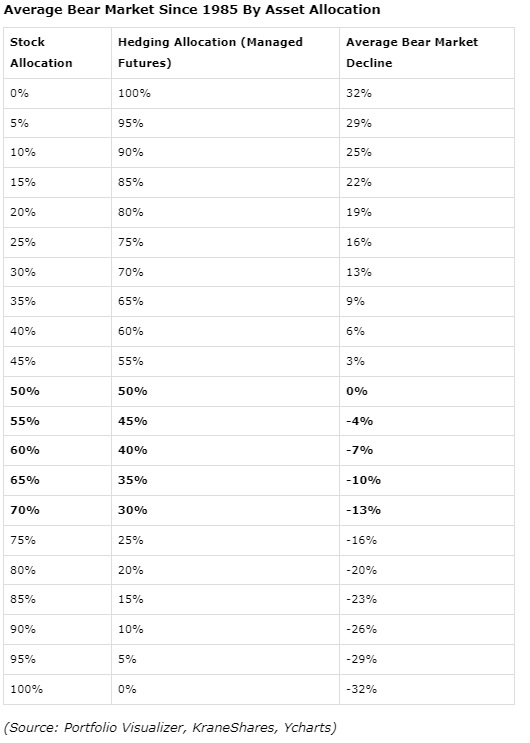
You can literally control a portfolio's volatility with proper asset allocation.
You can even build portfolios that go up in down markets.
Not 100% guaranteed, of course, but historically true.
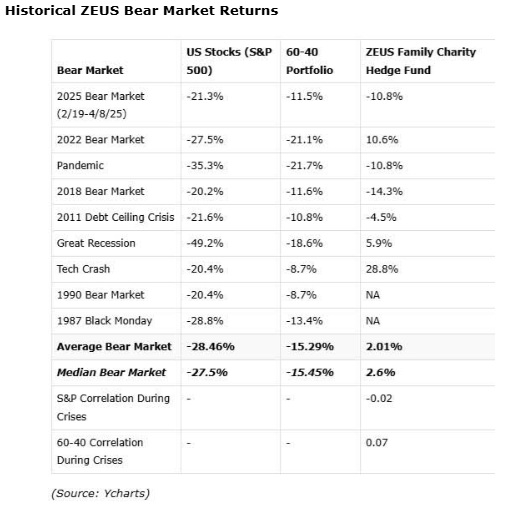
To paraphrase Arthur C Clarke, “Sufficiently optimized asset allocation is indistinguishable from magic.”
The Math Keeps Mathing Harder And Harder😉
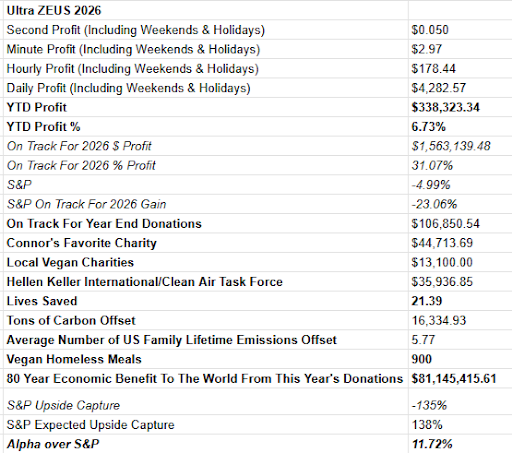
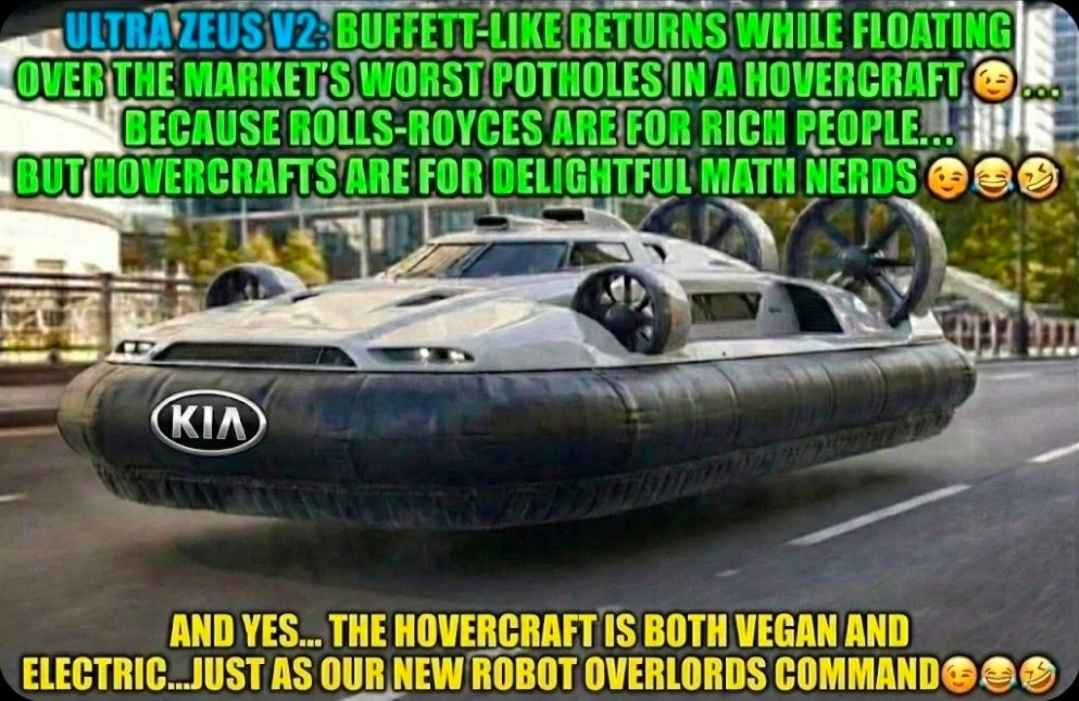
The portfolio might seem weird…but so does a hovercraft…and in a year like this one? The weirdest year of my life? My family needs a hovercraft.
Lesson 6: You Don’t Have To Understand The Data In Order To Profit From It
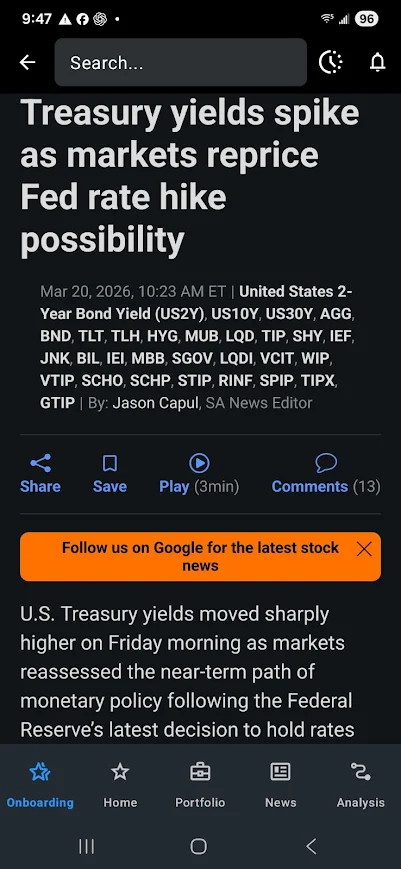

This is what that headline is talking about.
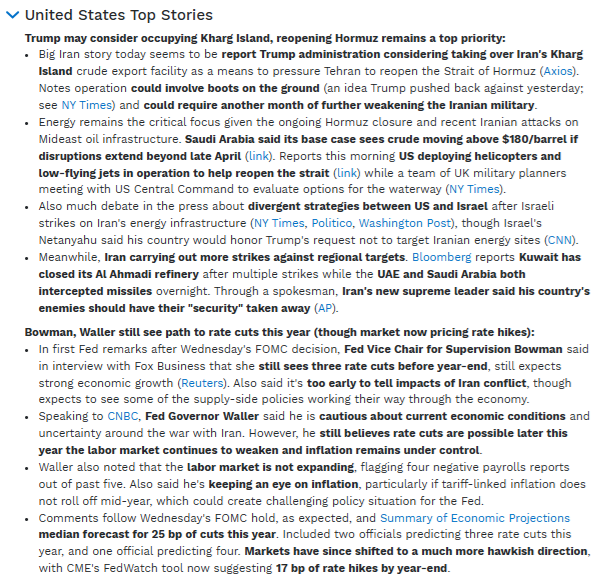
And here is what the headlines are saying (and these are FactSet headlines, so they are the least crappy ones you can find😉)
OK, so the market is pricing rate hikes? Let’s look at the futures data. Remember, CME tracks real-time Fed futures pricing, where billions of dollars of institutional money are hedging. So this is real-time “gospel truth” numbers. As good as exists in the world.
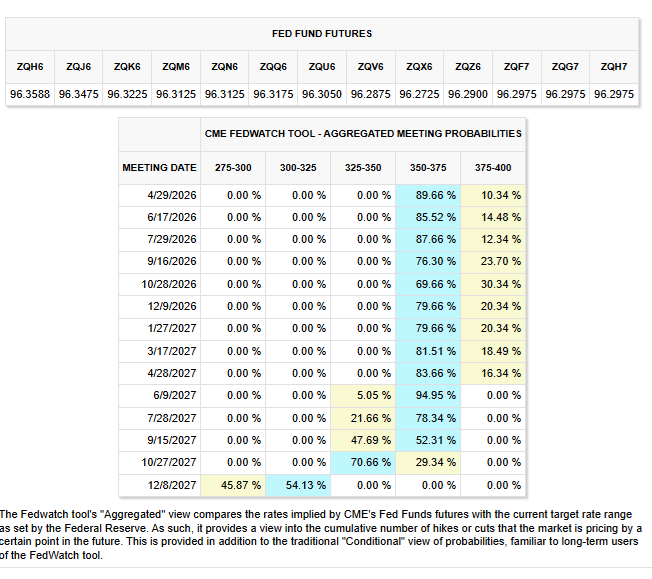
The bond market is now saying it thinks the Fed is done cutting this year. The risk of a hike? 30% by October (worst risk this year).
And if we get a 25 basis point hike? The economy survived the Fed hiking rates to 5.25%, and we’re worried about a 25 bps hike? That’s not going to crash the economy.
So let me show you what I mean by “profiting from data you don’t understand.”
Imagine our ancestors. They recognized the seasons. They recognized that if you plant crops in the spring and harvest in the fall, you’ll have food for the winter. Did they understand that the sun was a massive ball of hydrogen gas, a fusion reactor that makes up 99.8% of the mass of our solar system? Heck no! They didn’t know WHY the sun shone, they didn’t know about the tilt of the earth or orbital mechanics, they only knew that the seasons were real and they prospered by planting crops at the right time!
So forget about the people on Bloomberg, CNBC or Fox business talking about “The Fed should do X, Y, or Z”.
I know what the Fed should do, historically speaking. And guess what? My opinion? Counts for nothing. So does the expert on Fox Business, CNBC, or Bloomberg who can talk for 5 minutes with absolute confidence, and the very next expert talks with the same amount of confidence, advocating for the exact opposite position.
Investing isn’t about what SHOULD happen, but what is MOST LIKELY TO happen.
Why is the Fed maybe done hiking rates? Worries about inflation. OK, do we have real-time data for that?
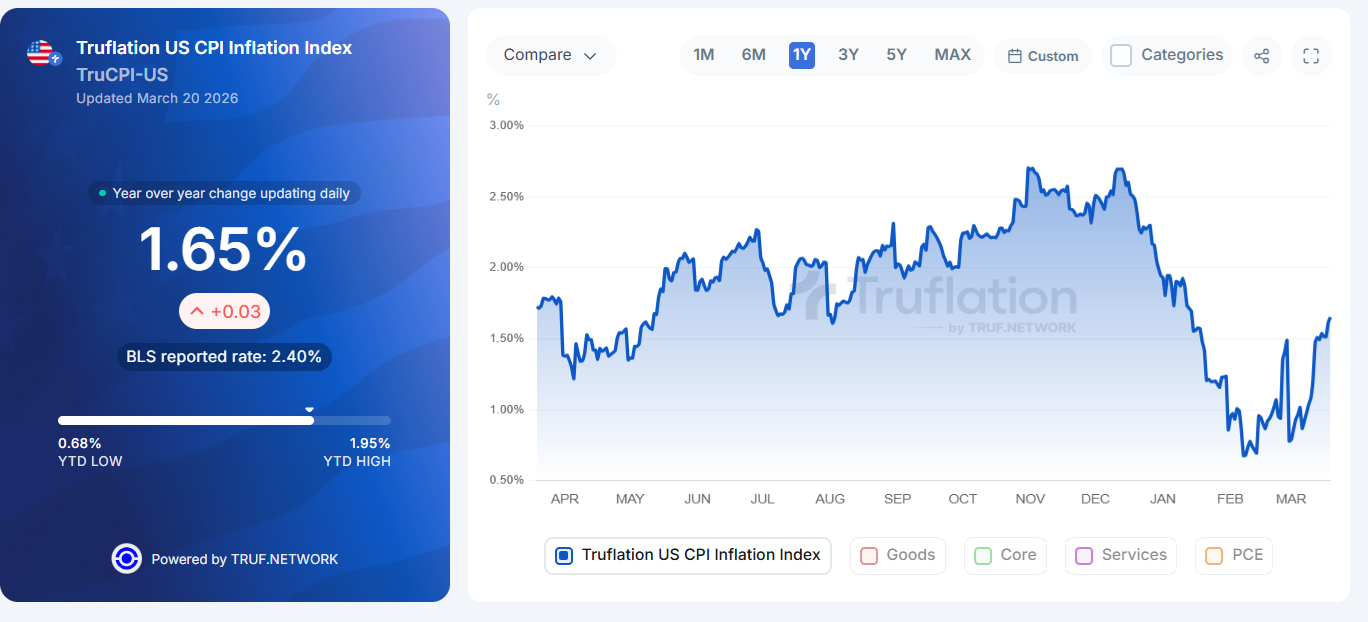
OMG inflation is soaring! Except that at the start of the war it was 1.5%, and its now 1.65%…and 2% core PCE inflation is consistent with 2.5% CPI (and historically Truflation predicts CPI by about 2 months).
In other words, why would the Fed hike? They won’t. 70% to 80% probability according to the bond market (the smart money), and the real-time data supports it.
What about the expert on CNBC? Ignore him. The data speaks louder than anyone…even Jerome Powell or the next Fed Chairman. Remember the Fed follows the data (with a lag) and the markets follow the Fed (in the short-term), but ultimately? EVERYTHING follows earnings.
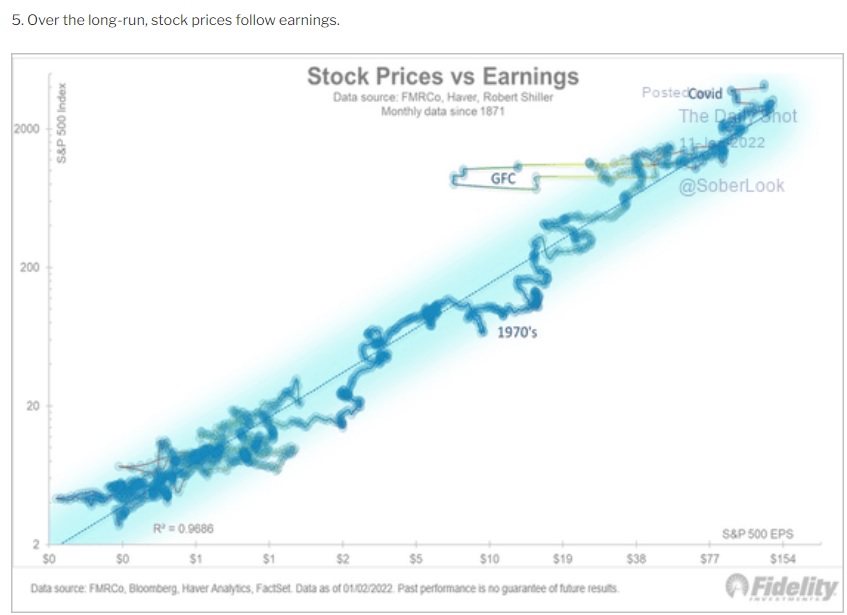
Lesson 7: Where Earnings Go, Stocks Will Follow
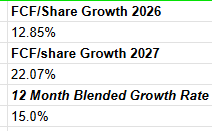
Last week, the 12-month blended forward growth rate in FCF/share was 13.4%, and now its 15%.
Last week, the 3 year FCF growth rate was 17.3% and this week? 17.64%.
How high can it go? Converging on the fastest growing and most profitable part of the market, hyperscalers.
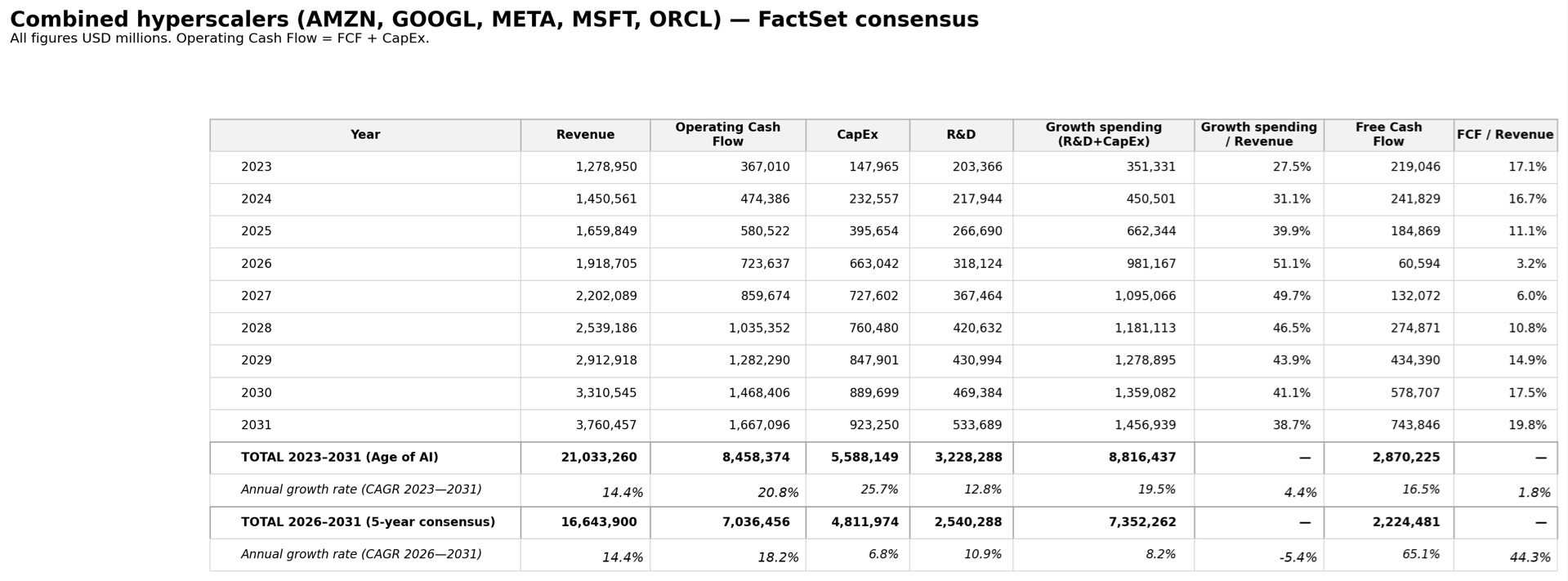
Growth spending begets growth! And the market converges on FCF growth of the biggest market cap companies…and that consensus for the next 5 years? 65% CAGR.
Goldman estimates that AI adoption could boost corporate profits by as much as 30%…on top of current growth rates. And those growth rates?
S&P FactSet Consensus
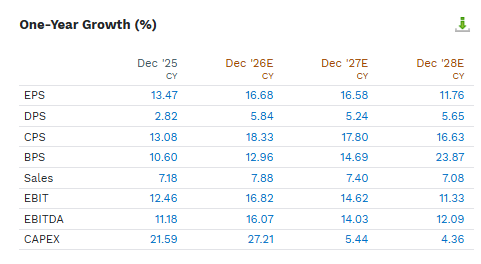
Cash flow growth rates of close to 20%…with up to 30% more room to the upside. And hyperscalers with 65% CAGR FCF growth consensus.
Sounds crazy, right? But it’s true!
Lesson 8: A Strong Economy = V-Shaped Corrections
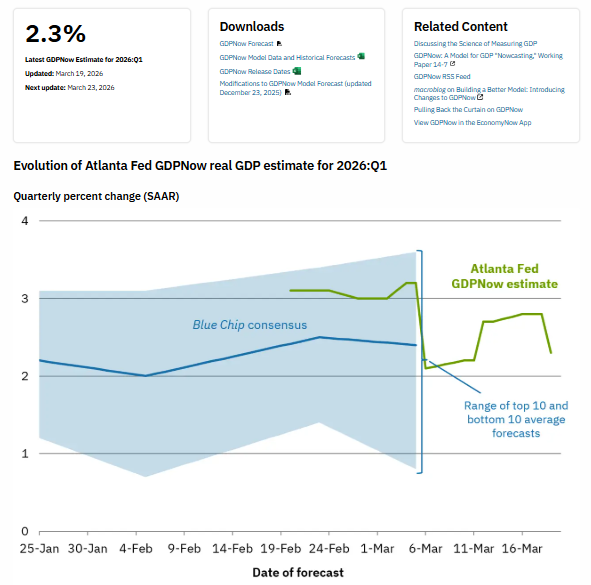
The data is the data, the facts are the facts. It doesn’t matter what stories you believe, as long as you invest based on the facts.
I always come up with the most plausible stories that explain the facts, but you don’t have to believe me.
You do have to believe the facts, or your portfolio will suffer.
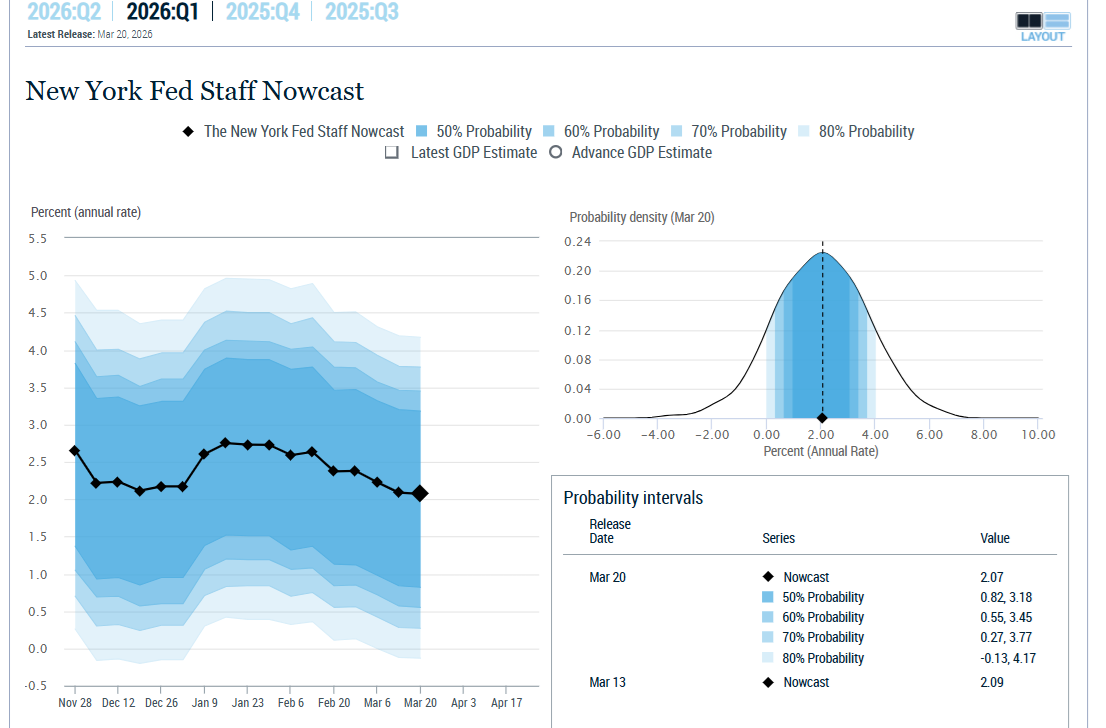
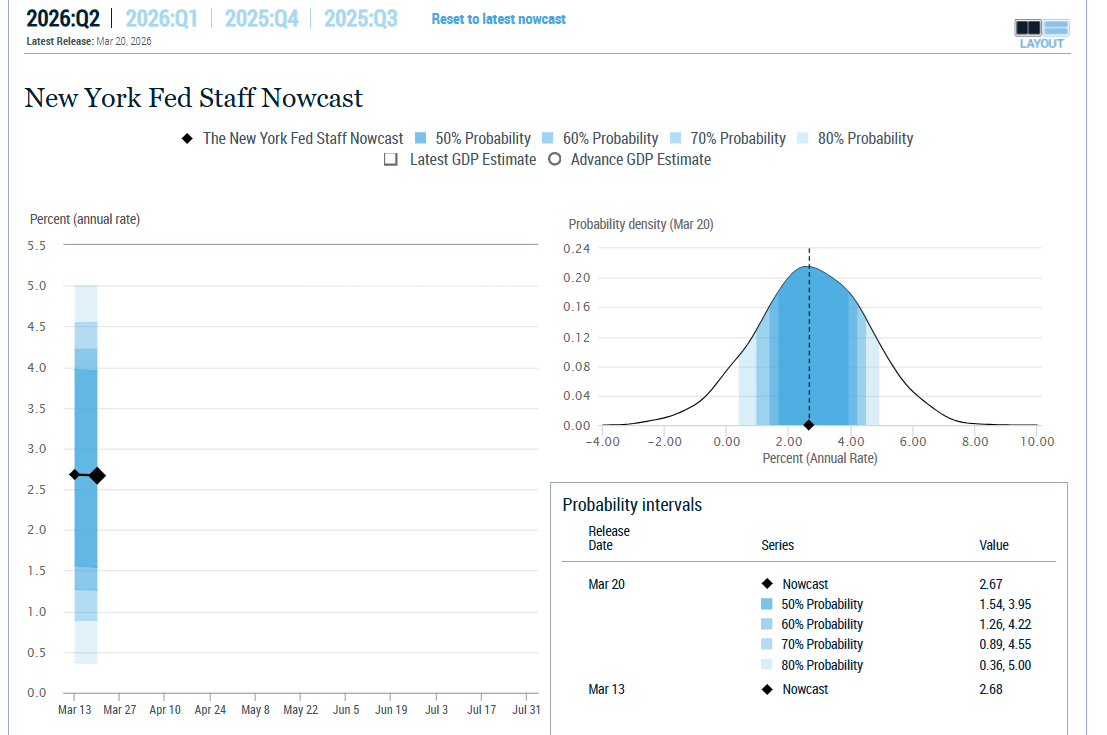
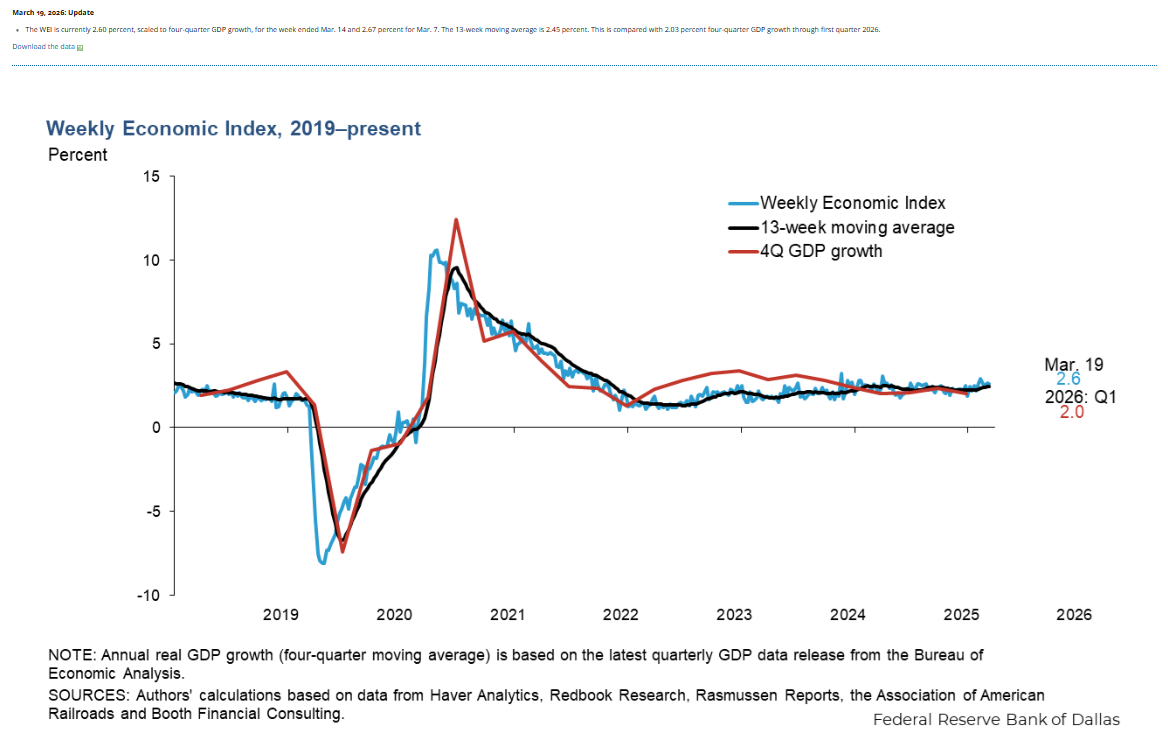
No recession, no growth slowdown, first Q2 estimates are at 2.7%.
Stock market bubble? Heck no. Not according to PEGY.
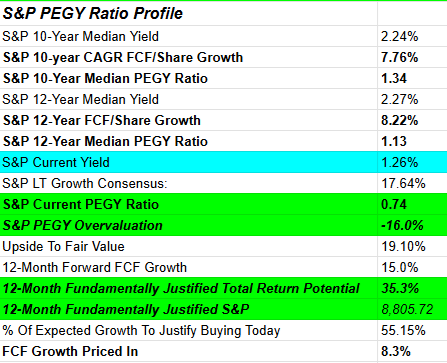
So why is this a growth scare correction? It’s not.
Why is this a long bear market? It’s unlikely to be.
Lesson 9: It’s Always And Forever A Market Of Stocks, Not A Stock Market
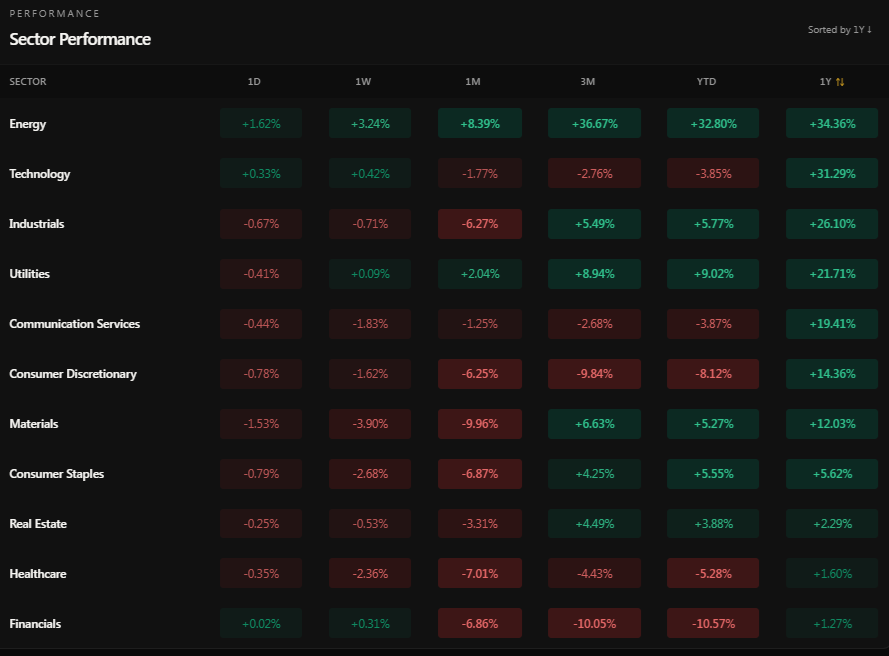
We’ve seen index investors do well over the past year, and here’s an important point. Even if the broader market is down? Or flat? Individual investors should NOT be trying to “beat the market”.
Do what works for you, like maybe this recommendation.
Blue Owl Capital (OWL) Excellent Fundamentals AND Valuation
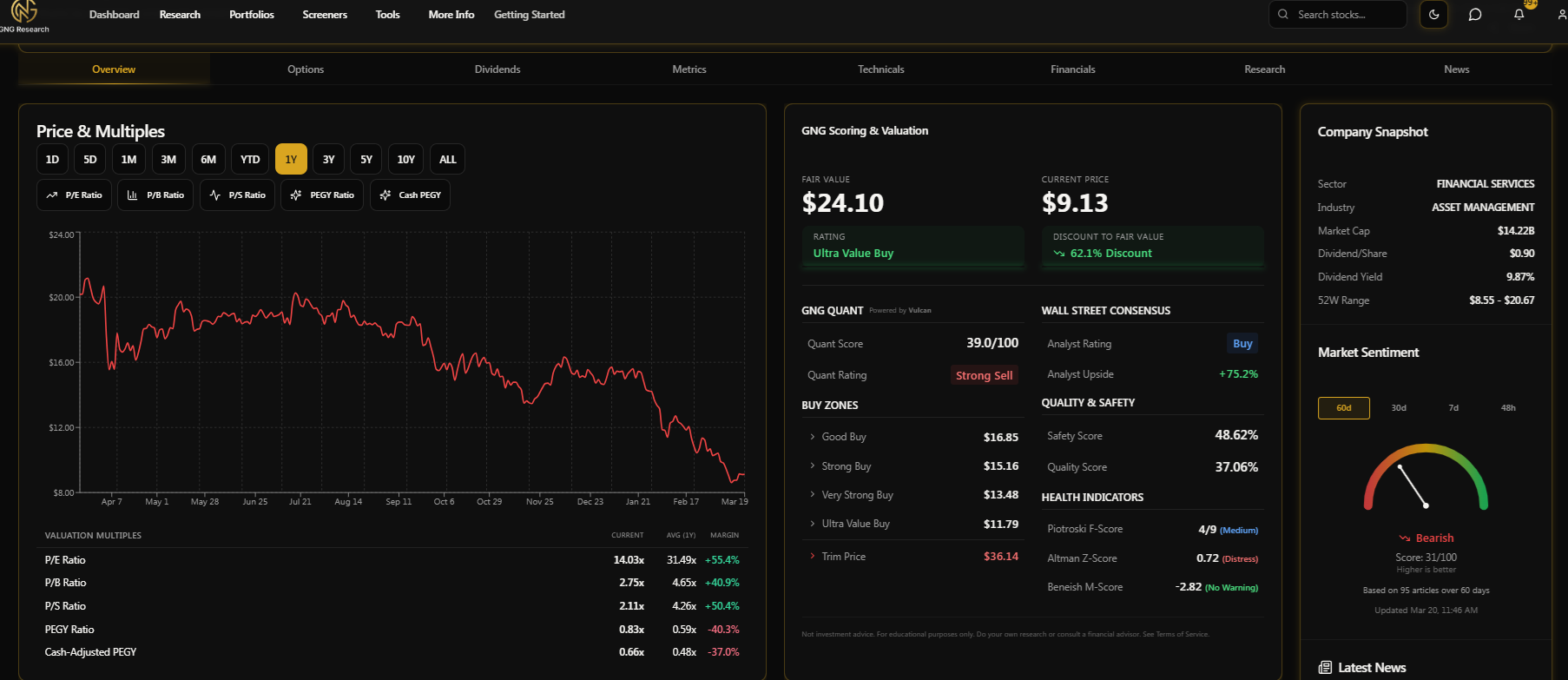
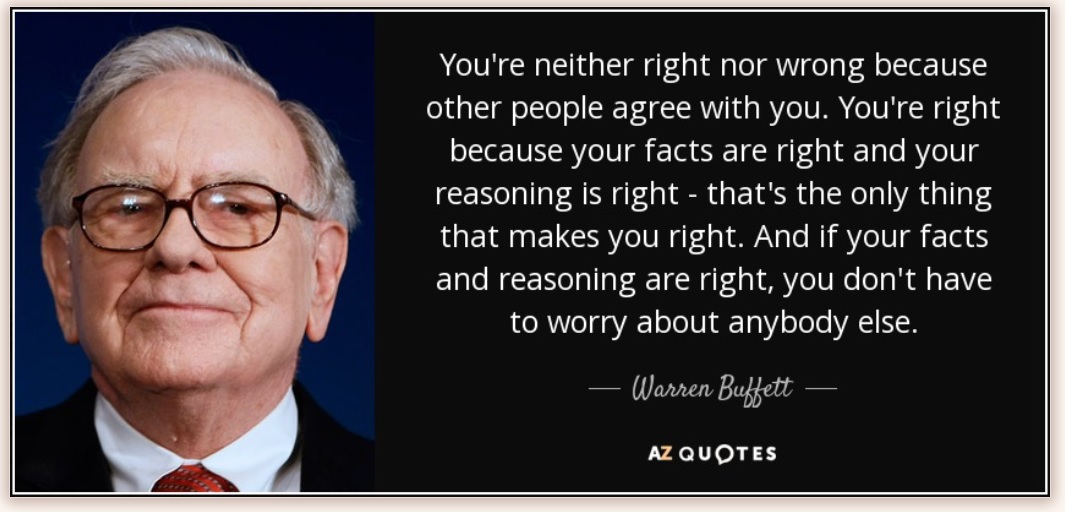
The technicals suck, but I became one of the best fund managers by being right, not popular😉😂
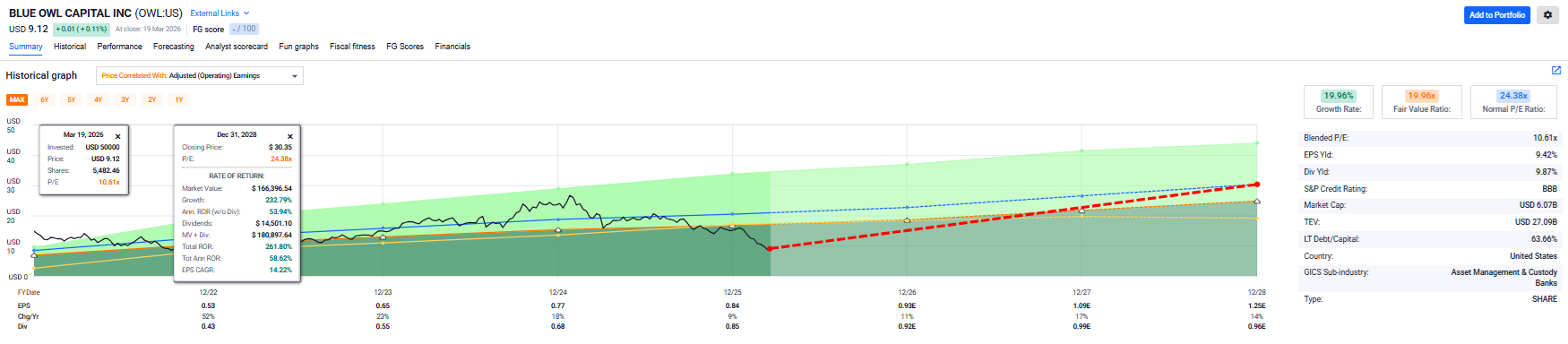
Valuations are excellent, fundamentals are excellent, and I couldn’t care less about the “vibes”.
Why?
Bottom Line: The Stock Market Doesn’t Care About Your Feelings, And Rich Retirement Dreams Aren’t Built On Vibes😉
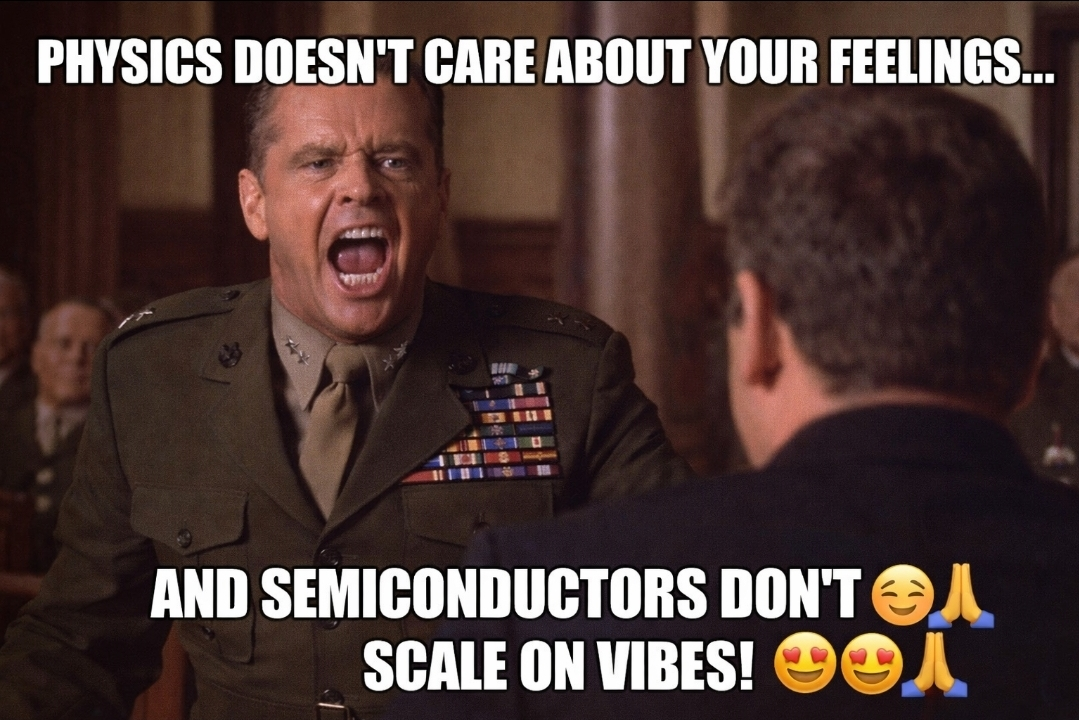
Let me share a hilarious parody of “A Few Good Men” with you. It’s the famous “You can’t handle the truth” speech from Colonel Jessup.
Except it’s about hyperscaler capex spending…because of course it is! 😉😂
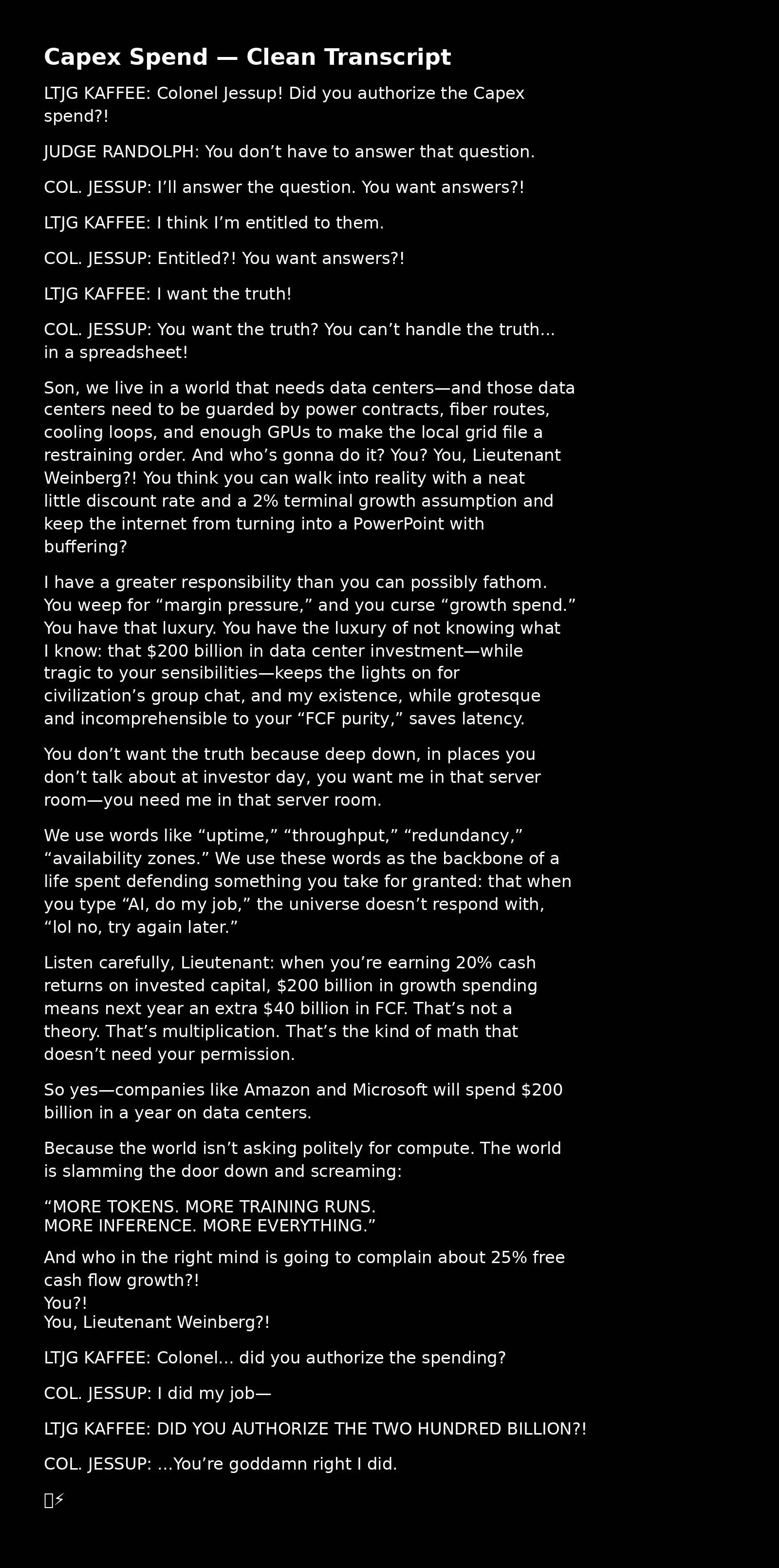
It showcases something that I keep telling people about the world we live in.
It seems absurd, and yet? It’s real. If you dig down deep enough? It all makes sense.
The token growth explains the revenue growth, and explains why the AI demand is growing at 100% while growth spending grows at 70%. Does the backlog get bigger every year, and so does the bubble? It’s not a bubble at all.
The economy is being driven by the spending of the top 20%, who are augmenting earned income with asset income.
Retirees don’t care about the weak job market.
9% of job losses are actually from AI, though 59% of job cuts are being credited to AI.
Because “We’re bad managers” is bad for optics, but “It’s the AI future” is what the media has trained us to expect.
But guess what? I’m good at explaining the data (why its so weird!), but the data is the data! The math is the math! And even if I can’t explain why the economy is strong? What matters is that it is.
Does it matter why corporate profits are growing at 15% to 18% this year (AI boom + tariff refunds)? Even if I weren’t here to tell you, the facts are the facts, the math is the math, and stocks always follow earnings in the end.
And that’s why, with a strong economy, booming earnings, and the stock market that’s 12% (Morningstar) to 16% undervalued (PEGY), this is THE time for optimism! Go into the weekend with joy in your heart and never forget 2 things.