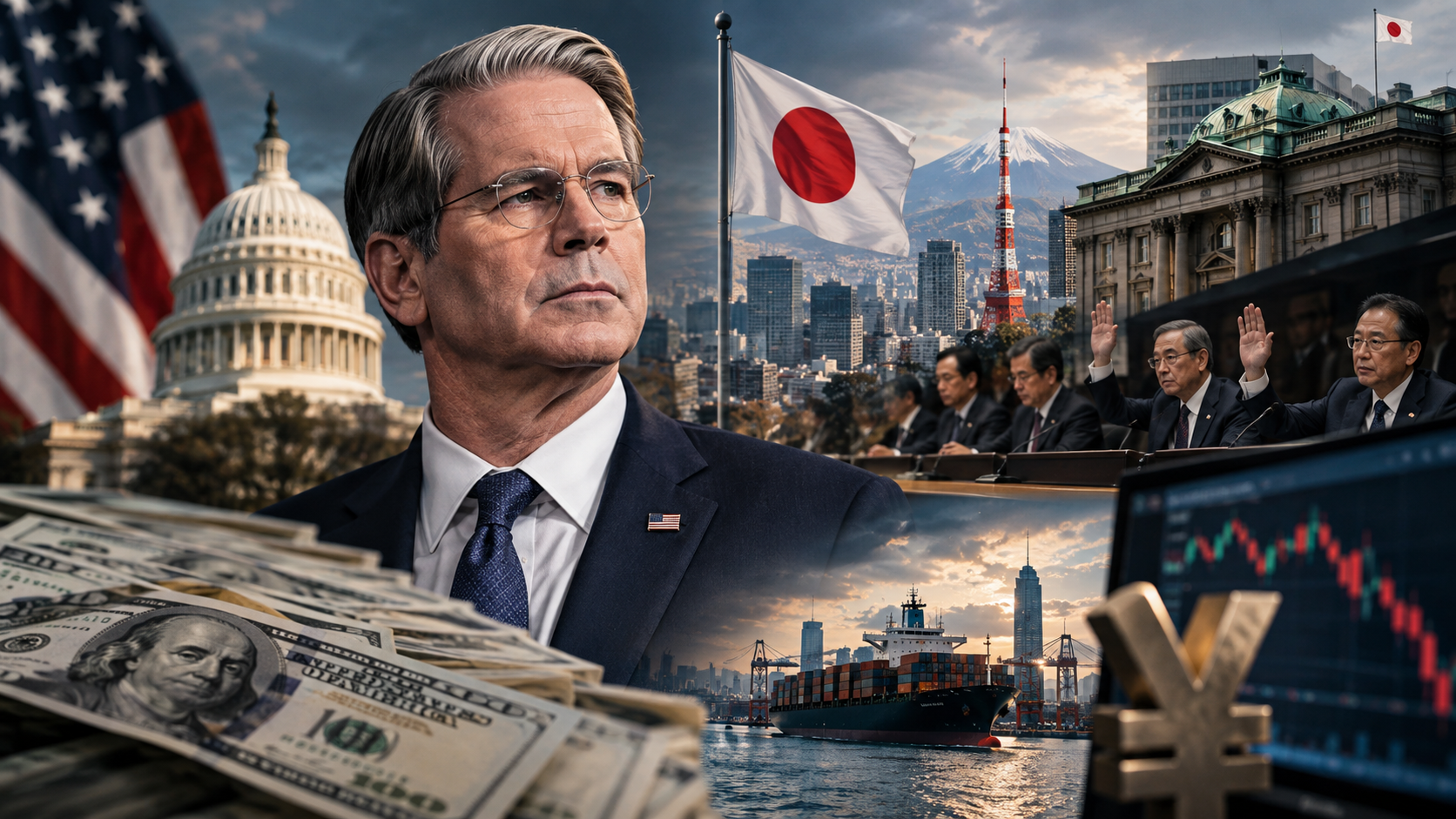
The market watched the Bank of Japan hike interest rates to 1.25% and promptly dumped the yen. Algorithms saw the seven to two vote, flagged the two dissents from Sanae Takaichi’s fresh political appointees, noted the absence of fiery forward guidance, and slammed the sell button. Trading desks immediately concluded that Ueda is boxed in and the yen is dead money. This algorithmic reaction fundamentally misunderstands Japanese institutional mechanics and ignores a massive triangular squeeze involving Washington, Tokyo, and Beijing. Scott Bessent’s U.S. Treasury yields are caught squarely in the crosshairs of this geopolitical currency war.
Boiling the Frog in Otemachi
To understand the slow movements of the BOJ, market participants must look at Japan’s gross government debt to GDP ratio sitting well north of 250%. Ueda faces absolute limits on his policy speed. Delivering an aggressive front loaded cycle would instantly implode the Japanese Government Bond market and force domestic regional banks into massive balance sheet writedowns. The Ministry of Finance would simultaneously face a debt servicing spiral consuming an unsustainable chunk of the national budget.
Prime Minister Sanae Takaichi complicates the equation further because she campaigned on low rates and high fiscal spending. Her two new policy board appointees dissented specifically because they were handpicked to erect a political ceiling over Ueda’s desk. Ueda fully understands this dynamic and deliberately boils the frog to secure rate hikes without causing a domestic credit event. He gave Takaichi’s bloc their headline dissent while successfully locking in another 25 basis points of real tightening.
The trading desks betting against the yen are leaning on a very real political calculation regarding Takaichi’s ultimate leverage. If she successfully consolidates power and appoints more dovish loyalists to the board, Ueda’s gradual hike to 1.25% might represent the final stop rather than the start of a cycle. Capping Japanese rates at this level would leave the central bank structurally neutralized and completely validate the algorithmic selloff. The yield spread between the Fed funds rate and the BOJ policy rate remains historically wide even at 1.25%. If sticky services inflation forces the Federal Reserve to hold rates higher for longer, global capital flows will continue flooding out of Tokyo into dollar denominated assets regardless of any rhetorical interventions from Washington.
The Dollar Invoicing Trap
Northeast Asian economies operate under a delicate structural constraint regarding how they price their manufactured goods. Japan, South Korea, and China invoice the vast majority of their global exports in U.S. dollars rather than their domestic currencies. Demanding payment in yen, won, or yuan would force global buyers to constantly purchase those local currencies to settle trade accounts and rapidly appreciate their exchange rates. Accepting dollars allows these industrial titans to artificially suppress their currency values and maintain their market share against one another.
This dollar invoicing mechanism creates a massive unhedged risk on their balance sheets. These exporters are trying to pay their domestic production costs in devalued local currency while holding dollar receivables that have appreciated on a relative basis. To manage the balance sheet risk and recycle these immense dollar inflows, their central banks historically park the capital in U.S. Treasuries to offset the risk of those dollar holdings. Selling those Treasuries to fund currency interventions while continuing to invoice in dollars leaves their dollar receivables completely unhedged and exposed.
The Nuclear Option in the Eurodollar Market
U.S. Treasury Secretary Scott Bessent understands this precise hedging vulnerability and is weaponizing it. When Bessent recently warned the market that he is the house now, he was signaling a profound understanding of the structural risks facing Northeast Asian exporters. Bessent knows he holds a nuclear option that goes far beyond simple Treasury buybacks or verbal jawboning.
The ultimate threat lies in the plumbing of the global financial system and the eurodollar market. If Washington truly wanted to force the hands of Korean, Japanese, and Chinese companies, the Treasury could restrict their access to U.S. dollars. Bessent could pressure U.S. correspondent banks to refuse to clear those dollar transactions. Denying these exporters the ability to clear U.S. dollars would instantly freeze their export engines and plunge their economies into crisis.
Bessent is keeping this nuclear option in reserve until absolutely necessary. The central banks and monetary authorities in Tokyo and Seoul currently view his rhetoric as an empty threat. The dissenting dovish votes at the BOJ meeting demonstrate that Asian policymakers simply do not believe Washington will actually pull the trigger on dollar clearing. They are gambling that the U.S. Treasury will not risk fracturing the global dollar system, leaving Bessent to either execute the unthinkable or watch the yen slice through historic lows.
Sign in to leave a comment and join the discussion.
Sign Up Free