geopoliticsFederal Reserve
Midterm Rotation Upon Us
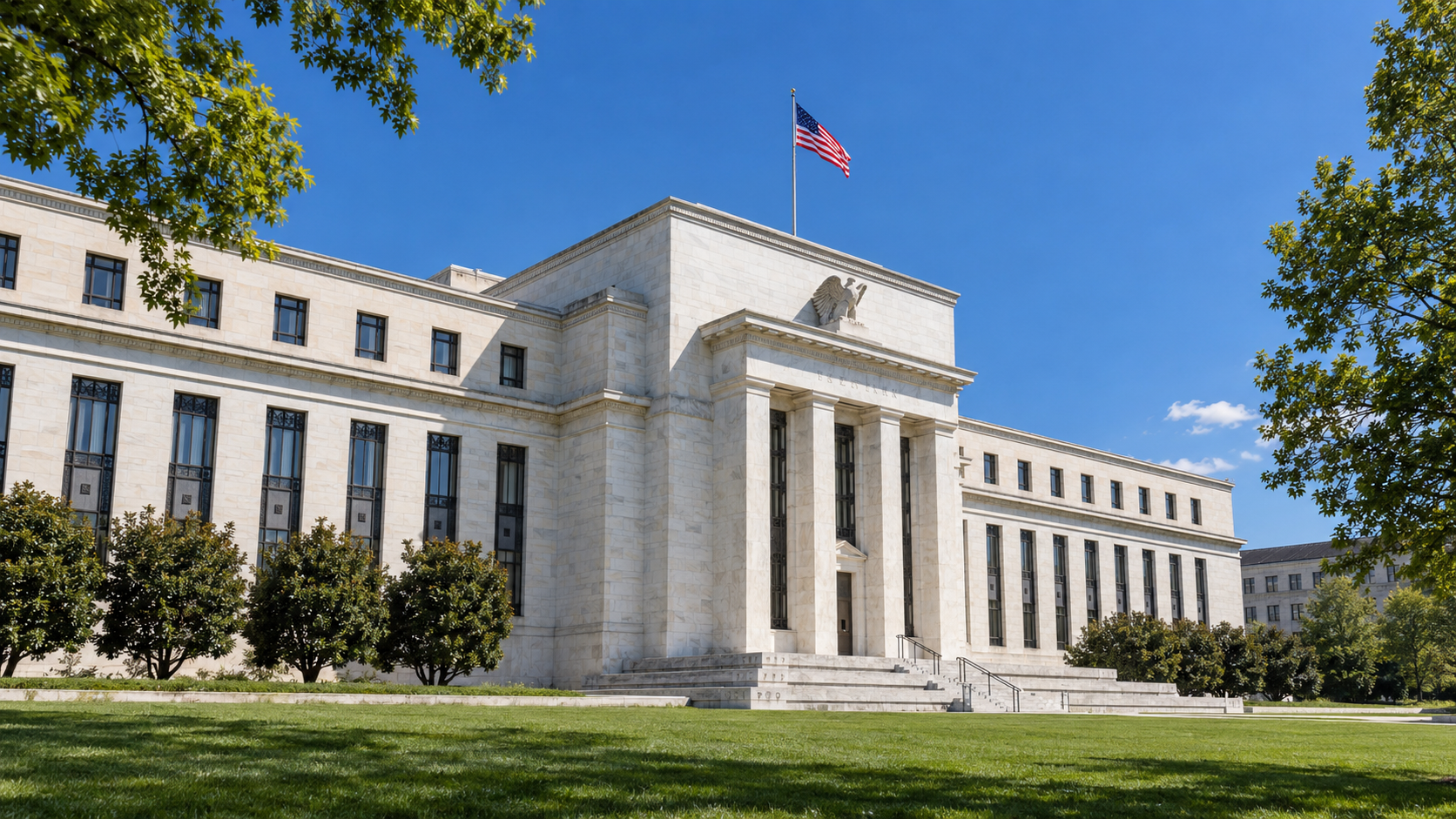
- Rotation materialized after three Fed cuts in H2 2025, Russell 2000 hit record close 2,888 in May as small caps led following an 18x forward multiple compression
- Chair Warsh signaled hawkishness - PCE at 3.7% called concerning - futures implied 70-90% odds of a September hike and markets pricing hikes into October and December
- About one third of Russell 2000 firms carry floating-rate debt versus ~6% of S&P, Bank of America estimates ~2% operating-earnings hit per 25bp hike; Russell down >3% post-Jackson Hole
- Market concentration risk - five hyperscalers pacing $650-700bn capex in 2026, Goldman sees ~$1.15tn 2025-27 total, Nvidia >7% of S&P, a single capex cut could depress the index
- Midterm bifurcation - a hike into the midterms likely stalls the small-cap rotation, a hold could retest May highs; principal tail risk is a hyperscaler trimming capex or guidance
 Albert Marko
Sep 13, 20261:22 PM270
The Rotation Arrived. Now Washington Has to Decide Whether to Let It Live. Six years ago I wrote that a rotation out of mega-cap tech and into small caps, financials, and industrials was coming, and that the trigger would be the 2020 election. I was wrong about the timing by about five years and wrong about the mechanism. It wasn't an election that finally cracked open the trade. It was the Fed cutting three times in the back half of 2025 and closing a valuation gap between the Russell 2000 and the S&P 500 that had sat at a 25-year extreme. Small caps went from an 18x forward multiple to leading the market, the Russell hit a record close above 2,888 in May, and for a while this year the "Great Rotation" was the actual Wall Street phrase people used, not just something I was arguing into the void. Now it's cracking apart again, and the reason is almost the mirror image of 2020. Back then the story was a Fed printing money to keep nine NASDAQ names inflated through an election year. This year the story is a Fed that might hike rates into a midterm, on purpose, over the sitting president's objections. Kevin Warsh has been Fed chair for about a hundred days. He said so himself at Jackson Hole in August, joking about surviving a hike with Don Kohn before getting into the substance, and the substance was not what Trump wanted to hear. Warsh walked back the softer signals from his July press conference and told the room that PCE inflation sitting at 3.7% was "concerning" and that AI and balance-sheet considerations "don't have much to do with current policymaking", a direct reversal of the case he made for himself when he was angling for the job in 2025, when he'd argued AI-driven productivity was itself a reason to cut. Fed funds futures moved from roughly even odds to somewhere in the 70-90% range on a September hike within days of that speech, depending on which afternoon you checked, and traders are now pricing rate increases stretching into October or December too. The FOMC meets September 15 and 16. By the time anyone reads this, we may already know. Mind you, Trump has been vocal about wanting rates lower, and some people around this are reading Warsh's posture as a man deliberately saving his hawkish instincts for after November 3 so he isn't the one who tanks his own party's midterm. I don't think that holds up. If he wanted to protect Republicans he'd have signaled dovish and let the data walk him into a hike quietly in December, after the election, not put a coin flip on the table three weeks out. What he's actually doing is reasserting that the Fed doesn't answer to whoever occupies the West Wing, full stop, and he's doing it at the worst possible moment for anyone long small caps. That's the mechanism worth watching, because it isn't abstract. Goldman has pointed out that roughly a third of Russell 2000 constituents carry floating-rate debt against something like 6% of the S&P 500. Every quarter-point the Fed adds knocks a real chunk off small-cap operating earnings, Bank of America has it around 2% per hike. The Russell was already down more than 3% in the week after Jackson Hole, worse than the S&P's 1.3% drop, and the 2-year yield pushed to its highest level since 2023. This is the exact opposite of 2020's problem. In 2020 my complaint was that easy money was propping up nine overvalued names. In 2026 the complaint is that tight money is about to punish the four thousand companies that only just got their moment. On the mega-cap side, the thing keeping this market up is no longer QE, it's hyperscaler capital spending, and I've made this argument before: the AI capex narrative is Washington's actual debt management mechanism now, not the bond market. Five companies are on pace for something near $650-700 billion in 2026 capex alone, and Goldman has the 2025-2027 hyperscaler total near $1.15 trillion. Steve Eisman said on CNBC in July that if any of them cut back, "the market would go straight down,"
Sign in to leave a comment and join the discussion.
Sign Up Free