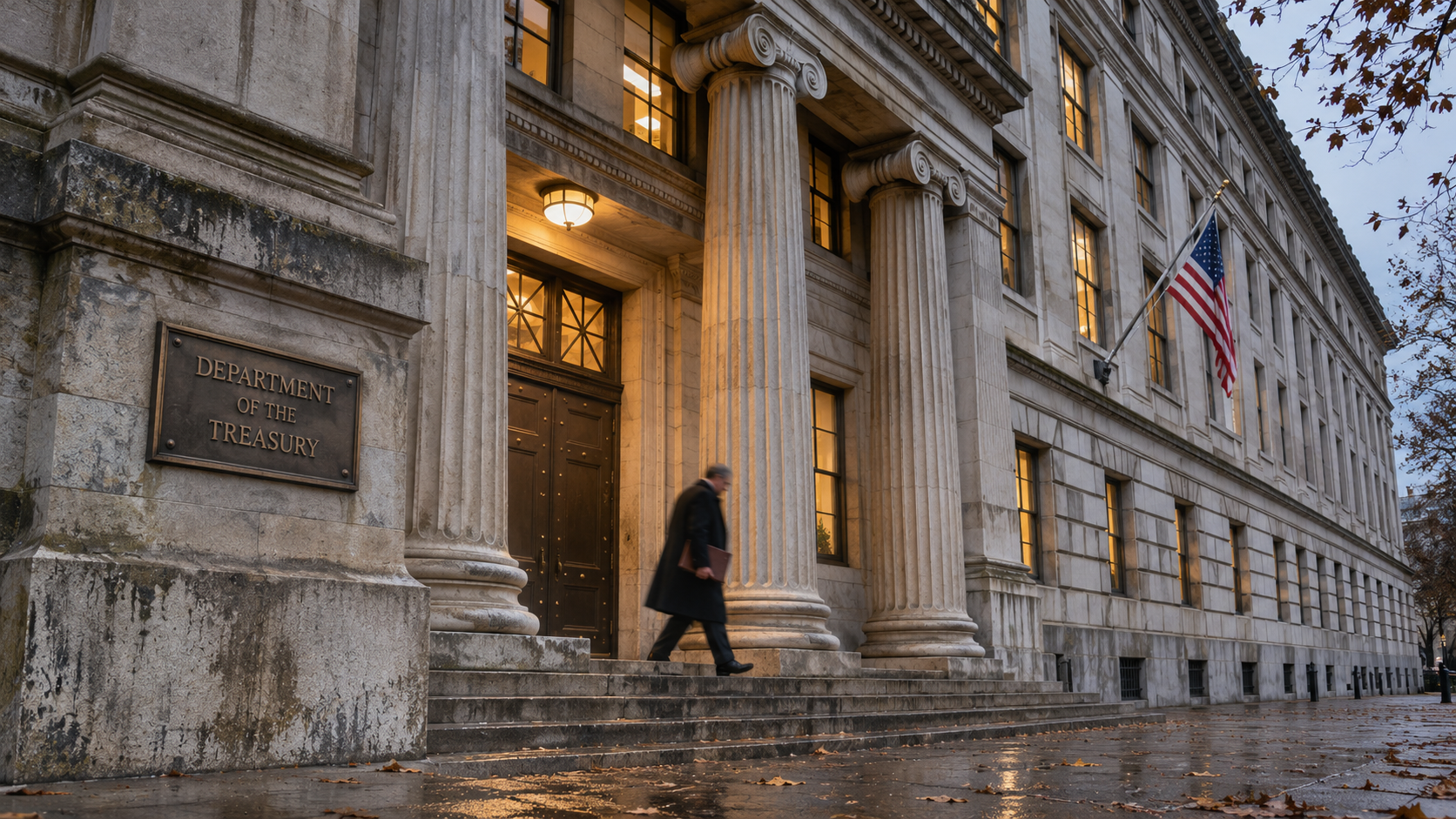


Introduction
I've started a lot of my recent articles with a question. So, let me do that again today.
What happens when the people in charge of America's finances say one thing in public and plan the exact opposite behind closed doors?
As many of you know, since 2020, we have maintained a "higher for longer" stance. More specifically, we have argued that Washington will "run it hot." That means policymakers are tolerating higher inflation and stronger nominal growth because the alternative (actually fixing the deficit) is politically impossible.
In recent days, we got what I consider the strongest confirmation of that thesis yet.
We received fresh intel from top-level sources with direct access to the most senior levels of U.S. economic policymaking. Obviously, we cannot name them. But these are people who know how the sausage is made.
In this article, we'll cover what Washington says in public, what we're hearing in private, why the math leaves essentially one option, and what it all means for our portfolios.
So, as we have a lot on our plate today, let's dive right in!
What Washington Says In Public
Let's start with the official line.
In early September, Treasury Secretary Scott Bessent said that if Democrats flipped either chamber of Congress in the midterms, the administration would rush a deficit-reduction plan through the lame-duck session. That's the roughly two-month window between the November 3 election and January 3, 2027, when the new Congress takes its seats.
He said he was working with OMB Director Russ Vought on a "fiscal consolidation" plan (that's fancy language for spending less and/or taxing more to shrink the deficit).
Now, there's just one problem.
Even before the election, Bloomberg reported that there was no sign Congress would make any net budget cuts this year. And around the same time, Bessent endorsed the President's proposal for $5,000 checks to American adults, a plan with a price tag north of $1 trillion.
A consolidation pledge on one hand. A $1 trillion giveaway on the other.
Needless to say, I had my doubts about the consolidation part.
What We're Hearing In Private
This is where our intel comes in.
According to our sources, Bessent has already held several meetings with Democrats about a big fiscal package next year. As in, a spending package.
The way it was put to us was very blunt. Paraphrasing:
Sign in to leave a comment and join the discussion.
Sign Up Free