ZZinflationFederal Reserveinterest ratesUS Economy
The Inflation Paradox: How Growth Overwhelms Disinflation
Key takeaways
- Strong domestic demand is sustaining inflation pressure: Q3 private domestic sales rose 4.9% annualized, while October payrolls rose 165,000 versus 60,000 expected.
- Services excluding housing rose 0.45% in October, a 5.5% annualized pace, as robust spending and AI-related investment support demand and wages.
- Shelter's lagged CPI measure contributes an estimated 1.4 percentage points to September's 2.6% core inflation, while new-lease rent growth has cooled to roughly 2% to 2.5%.
- The IEA projects a 3.8 million barrel-per-day oil surplus in 2027, but depleted inventories and shipping disruptions threaten the outlook for energy-driven disinflation.
- Fed easing by mid-2027 depends on services inflation cooling; persistent gains near October's pace could limit cuts despite falling oil prices and lagged shelter relief.

Nov 20, 20263:29 PM ET50
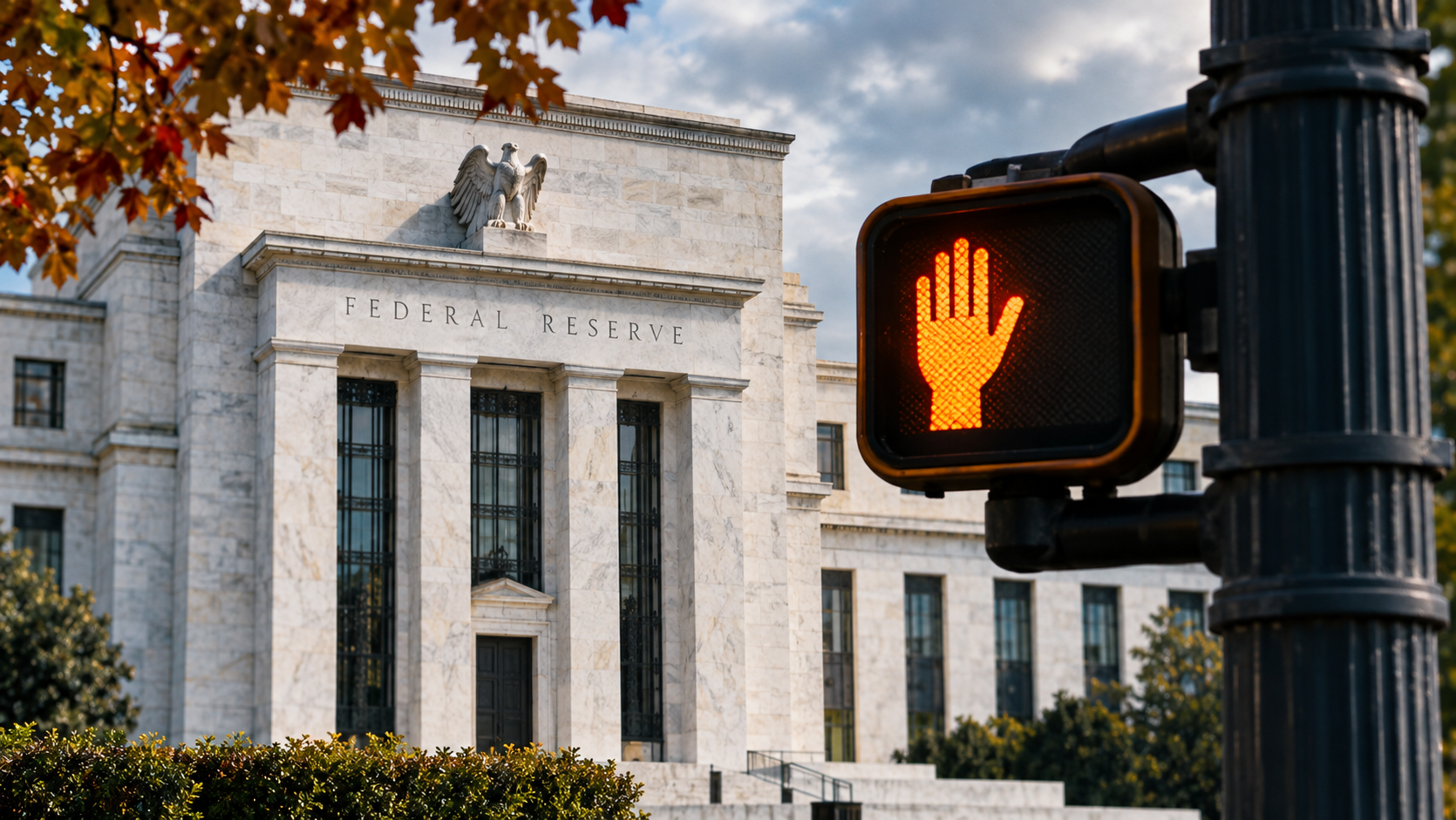
The Federal Reserve faces an unusually constrained position. Payrolls rose 165,000 in October, well above the roughly 60,000 economists expected, and the unemployment rate edged down to 4.1% from 4.2%. Hourly pay rose 3.1% over twelve months. Core consumer prices rose 0.3% in October for a third straight month, but the Bureau of Labor Statistics published no twelve-month rate for October because the 2025 shutdown left no October 2025 data to compare against. The last official annual core reading is 2.6%, for September. The traditional script calls for rate increases when labor demand stays robust and wages hold up. The data now point to a different problem, with growth strong enough to keep disinflation from finishing even as goods prices stabilize. The headline rate tells a different story from the core rate. Consumer prices rose 3.7% over the twelve months to September, with energy up 20.4% and gasoline up 34.2%. Gasoline alone rose 9.1% in September, accounting for about half of that month's gain. Energy is the component that has reversed fastest since, which means the headline rate will fall without any change in the underlying services trend. Core is the number that matters for the Fed's next decision, and it is the one the energy reversal does not touch. The core constraint is shelter, but the shelter index lags the rental market. The BLS surveys each rental unit every six months, and the monthly change in rent and owners' equivalent rent is the sixth root of the change over the prior six months. Most tenants renew once a year, and landlords smooth increases for continuing tenants, so new-lease prices reach the index slowly. Shelter rose 3.2% over the twelve months to September, and owners' equivalent rent rose 3.3%. The index is still moving up, though more slowly, with shelter up 0.4% in September and 0.3% in October on a monthly basis. Private measures show market rents moving much lower. Zillow's observed rent index bottomed at 1.82% in March and reached 2.48% by August, and secondary estimates put new-lease growth near 2% to 2.5% in October, against a peak of 15% to 16% in 2021 and 2022. Shelter carries roughly 45% of core weight, which implies it contributes about 1.4 percentage points to the 2.6% core reading. That contribution is an estimate derived from BLS weights, not a published figure. Excluding shelter, core runs near 2.1%, a figure derived from those weights rather than published by the BLS, and close to the Fed's target. Raising rates to fight a shelter reading that is still absorbing the 2021 and 2022 surge would tighten policy against a component that is already cooling in the market. The disinflation problem sits in services outside housing. Those services rose 0.45% in October, a 5.5% annualized pace, and the same measure rose at 3.7% annualized in September, according to BLS data compiled by Wolf Street. Those are hot readings for a category the Fed needs to cool. Core goods are calmer, rising 0.16% in October, and energy is reversing. North Sea Dated crude fell from $136 a barrel on October 8 to about $93 by the time the International Energy Agency published its November report, and diesel fell 11% in Europe from its peak. Diesel remains 77% above pre-war levels, which keeps freight and airline costs elevated even as crude retreats. Energy relief is real, but it reaches consumers through goods and transport costs, while services are where growth shows up first. The energy outlook points lower for 2027, but not without risk. The International Energy Agency projects global supply to rebound by 6.6 million barrels a day to 108.1 million in 2027, after a 4.8 million barrel decline this year. Its demand forecast rebounds by only about 2 million barrels a day over the same year, which leaves a supply surplus near 3.8 million barrels a day on the agency's own balances. Observed global oil inventories still fell by a cumulative 462 million barrels since the war began, and on-land stocks sit at their lo
Investing Club
Main Street Alpha
Actionable financial research and exclusive market insights.
This article is for club members. Membership is $29.99 per month or $299.99 per year.
Prices exclude applicable sales tax.
Existing Main Street Alpha members: use the personal link from your club email or the claim button on the club page.
Related research
- The 3.4% GDP Illusion: How Capital Concentration Masks Systemic Fragility
- They Can't Help Themselves: The Fiscal Bomb Nobody Is Pricing In
- How America Defaulted Without Missing A Payment
- Big Picture Update: What You Need To Know About The AI Spending Boom, Economy, Market Valuations, Earnings, & What Most Likely Comes Next For Stocks
- 5 Delightful Economic Facts Smart Investors Can Profit From in 2026
Sign in to leave a comment and join the discussion.
Sign Up Free