The Summit Is Not the Story
Key takeaways
- Trump and Biden both treat U.S.–China summits as steps toward a resolution, when the Shenzhen meeting ended with tighter chip controls and no extension of the January trade truce.
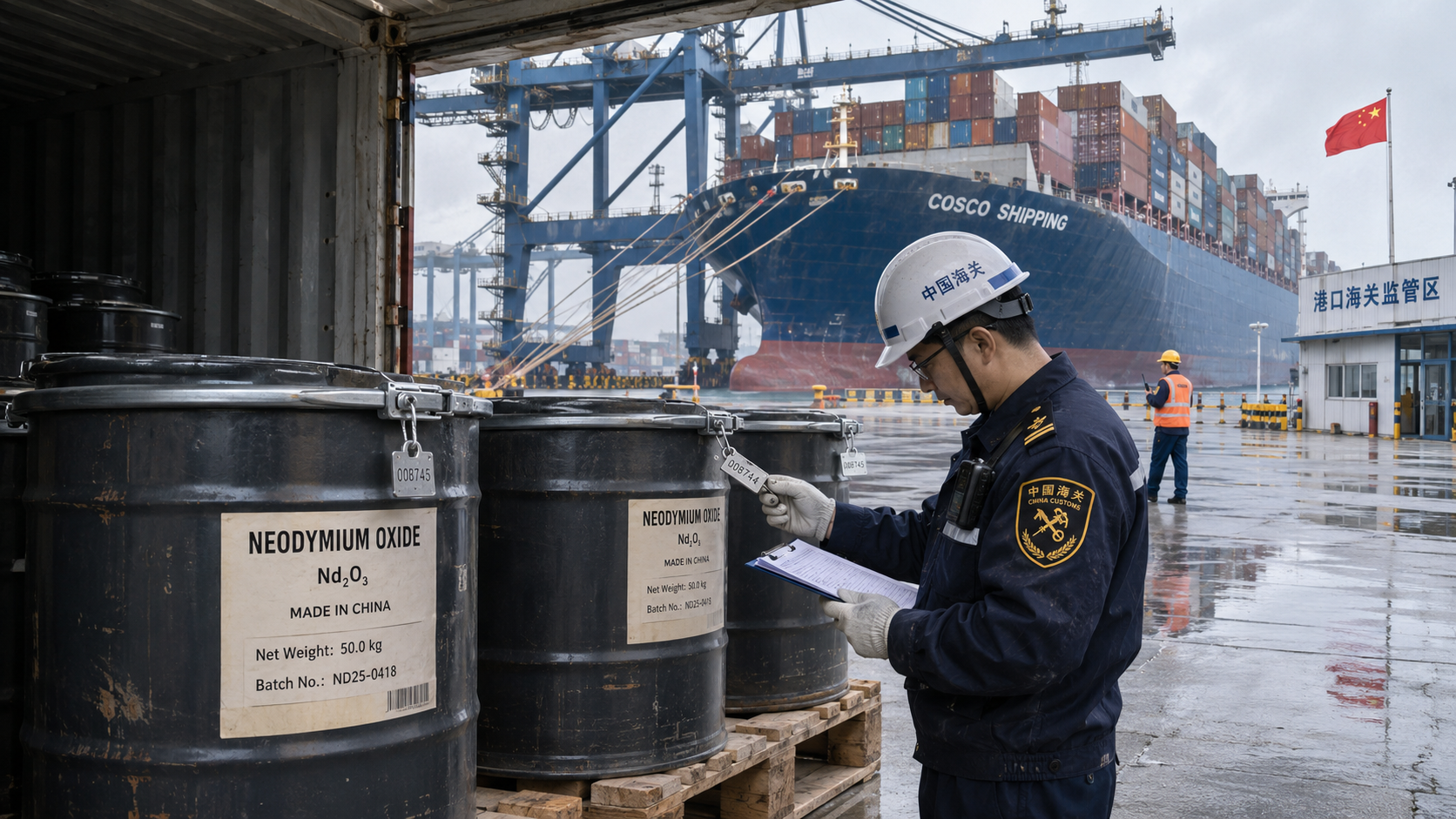
- The rivalry is structural: China holds the physical chokepoints (rare earths) and Washington holds the financial ones (dollar clearing, chip controls), so no photo op changes who controls which valve.
- Selling every meeting as "historic" makes the next flare-up over Taiwan, chips or soybeans look like diplomatic failure, when it's the normal condition of the relationship.

Nov 24, 20268:42 AM ET240
I've watched enough of these meetings to know the script. Airport greetings, talk of mutual respect, a pledge to promote global stability, and then a press corps told it has witnessed history. Shenzhen on November 19, on the sidelines of APEC, followed it to the letter. Days earlier, Commerce had tightened export controls on advanced AI chips. Days later, there was no extension of the trade truce that runs out in January. Call that a reset if you like. I call it Tuesday. Look at the sequence under Trump's second term. In May he flew to Beijing and the White House announced a "historic" agreement built on "respect, fairness and reciprocity." In September Xi came to Washington, Trump met him at Andrews, praised their "truly great friendship," and said the two countries had "never gotten along better." In November he was back in China gushing over the "fanfare, the beauty, the pageantry." Mind you, in the gaps between those three events, Jamieson Greer and Scott Bessent were leaning on Beijing over unfulfilled farm purchases and rare earth export controls. Greer has since said an extension of the truce depends on what China does with rare earths, and Section 301 investigations into Chinese excess capacity are being readied before year's end. So the leaders hug, the markets exhale, and the real contest picks up exactly where it left off. It would be easy to pin this on Trump's taste for theater. That's lazy. Biden ran the same play in a different costume. At Woodside in November 2023 he talked about "responsible competition" and "guardrails," the language of a manager who believes steady hands can keep a rivalry from boiling over. Trump casts himself as the dealmaker whose personal chemistry with Xi breaks the logjam. Biden cast himself as the adult in the room. Both men assumed that a president, with enough skill, can steer a structural collision toward a conclusion. They can't, and the history of great-power rivalry has plenty of evidence. The summits of 1970s détente produced handshakes and communiqués by the dozen, and the underlying contest carried on beneath them until it broke the surface. The scholars have a name for this habit, "tragicomic emplotment," and I find it useful. The stakes are tragic: two nuclear-armed powers fighting over semiconductors, critical minerals, sea lanes and influence. The storytelling is comic in the old literary sense, where the plot is supposed to end in reconciliation. Washington keeps believing that the next dinner, the next tariff pause, the next working group will finally close the file. It won't, because the file is the relationship itself. Here's the structural problem the pageantry hides. China holds the physical chokepoints, rare earths above all, while Washington holds the financial ones: dollar clearing, chip controls, the plumbing under global trade. Each side is squeezing the other where it is strongest, and no photo op changes who controls which valve. The more a president sells a summit as historic, the worse the next flare-up looks. A dispute over Taiwan, chip smuggling or soybean quotas gets read as a collapse in diplomacy when it's simply the normal condition of two powers whose economies are knotted together and whose interests are not. None of this means the meetings are worthless. Open channels reduce the chance of an accident, and tactical truces on trade and energy do buy time. But time for what? That's the question nobody in Washington wants to answer. Xi is due back for the G20 in Miami in December, so another round of pageantry is already on the calendar. If the truce lapses in January with rare earths unresolved, who in the administration will tell the public that the "historic" deal was never one? And who answers for the expectations they built?
Investing Club
Main Street Alpha
Actionable financial research and exclusive market insights.
This article is for club members. Membership is $29.99 per month or $299.99 per year.
Prices exclude applicable sales tax.
Existing Main Street Alpha members: use the personal link from your club email or the claim button on the club page.
Sign in to leave a comment and join the discussion.
Sign Up Free